How to Stop a Dog from Pulling on the Leash: The Loose-Leash Method
How to Stop a Dog from Pulling on the Leash: The Loose-Leash Method
Walking your dog should be one of the most enjoyable parts of dog ownership, but when your dog spends the entire walk pulling you down the road, it can quickly become frustrating and exhausting. For larger or particularly enthusiastic dogs, pulling can even become a safety issue.
The good news is that most dogs can learn to walk calmly without constantly pulling. One of the simplest approaches is loose-leash walking, a training method that teaches your dog that keeping the lead relaxed allows the walk to continue, while pulling gets them nowhere.
Why Do Dogs Pull on the Lead?
Before trying to stop pulling, it helps to understand why dogs do it.
In most cases, dogs aren't deliberately trying to be difficult. They simply want to get somewhere faster than we do. There are exciting smells, other dogs, people, trees and countless other things competing for their attention.
Dogs also quickly learn that pulling works. If your dog pulls towards an interesting smell and you follow them, they have been rewarded for pulling. The dog learns:
Pull = move forward.
Loose-leash training turns this around so that:
Loose lead = move forward.
It's a simple principle, although it requires patience and consistency.
Start Somewhere Quiet
Don't begin loose-leash training in the busiest park you can find. There will simply be too many distractions.
Start in your garden, driveway or a quiet street.
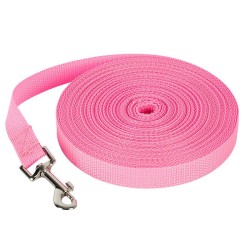
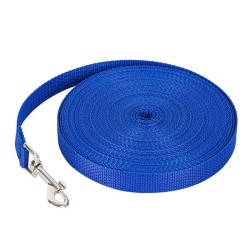
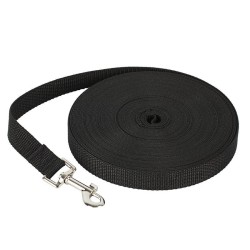
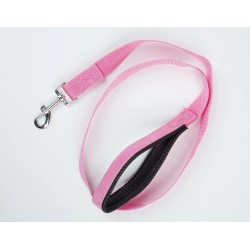
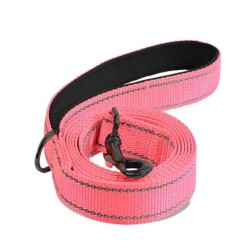
Use a comfortable, appropriately fitted collar or harness and a standard fixed-length lead. Have some small training treats available as well.
Begin walking normally. As long as the lead remains loose, continue moving forward.
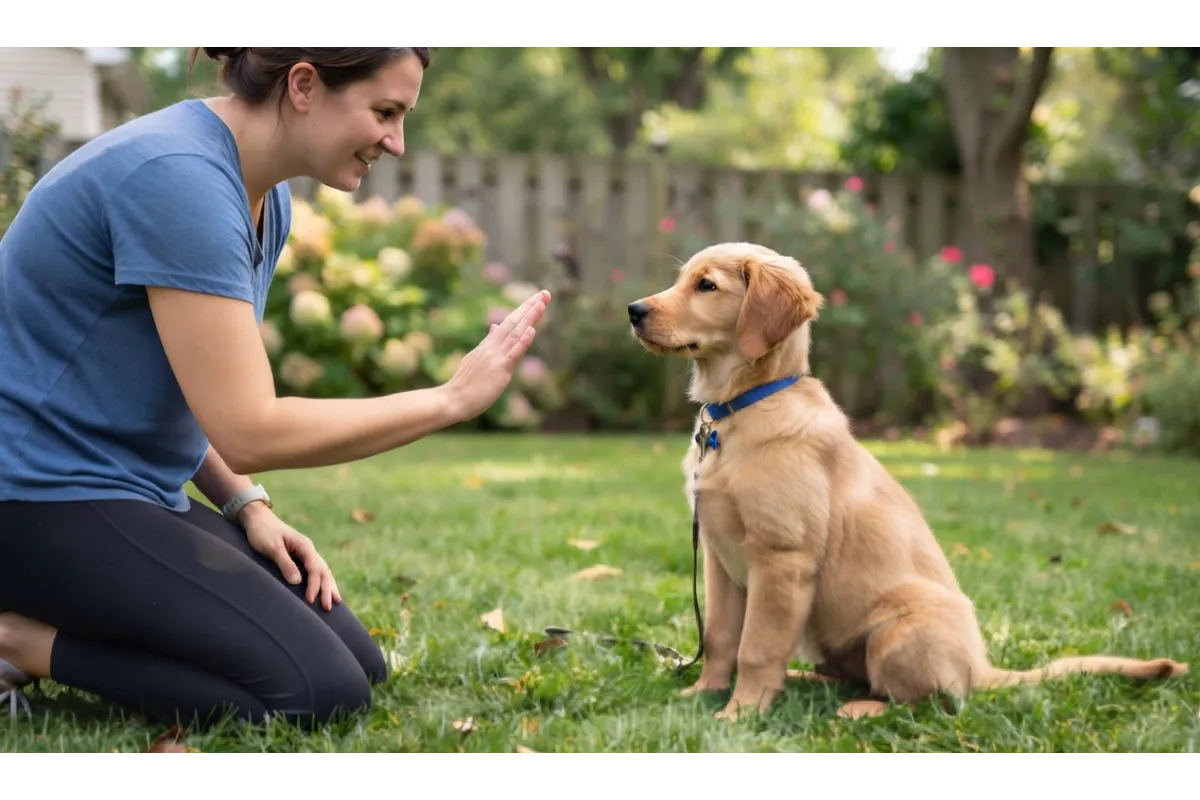
Praise your dog and occasionally reward them when they're walking nicely beside you or close enough that the lead remains relaxed.
You are teaching them that being near you is a rewarding place to be.
What Should You Do When Your Dog Pulls?
This is the important part.
The moment your dog pulls and the lead becomes tight, stop walking.
Don't yank the lead backwards or get into a pulling competition. Simply stand still.
Wait.
When your dog turns towards you, comes back slightly or otherwise releases the tension on the lead, praise them and start walking again.
Your dog gradually discovers that pulling doesn't get them to their destination any faster. In fact, it does exactly the opposite.
At first, you might only travel a short distance during a training session. That's perfectly fine. You're teaching a new behaviour rather than trying to cover miles.
Reward the Behaviour You Want
It's easy to concentrate entirely on correcting unwanted behaviour and forget to reward the good behaviour.
When your dog is walking beautifully on a loose lead, tell them they're doing well.
You can use treats, verbal praise or occasionally allow them to investigate an interesting smell as a reward.
For example, if your dog wants to reach a particular tree, ask them to approach it without pulling. If the lead tightens, stop. When it becomes loose again, continue towards the tree.
Eventually, reaching the interesting smell becomes the reward for walking nicely.
Try Changing Direction
Some dogs become completely focused on whatever is ahead of them.
Changing direction can help encourage them to pay more attention to you.
Rather than continuously walking in a straight line, occasionally turn and walk in another direction. Praise your dog when they notice and follow.
You can also practise gentle changes of pace and direction in the garden. This makes walking with you more interesting and teaches your dog to keep an eye on where you're going.
Don't Expect Perfection Immediately
One of the biggest mistakes with loose-leash training is expecting instant results.
A dog that has spent several years pulling has potentially been practising that behaviour thousands of times. It won't necessarily disappear after two training sessions.
Keep sessions short and positive. Five or ten minutes of focused training can sometimes be more productive than an hour-long battle.
Everyone who regularly walks your dog should ideally follow the same rules too. If one person stops whenever the dog pulls while another allows the dog to drag them towards whatever they want, training becomes much more difficult.
Make Walks Enjoyable Again
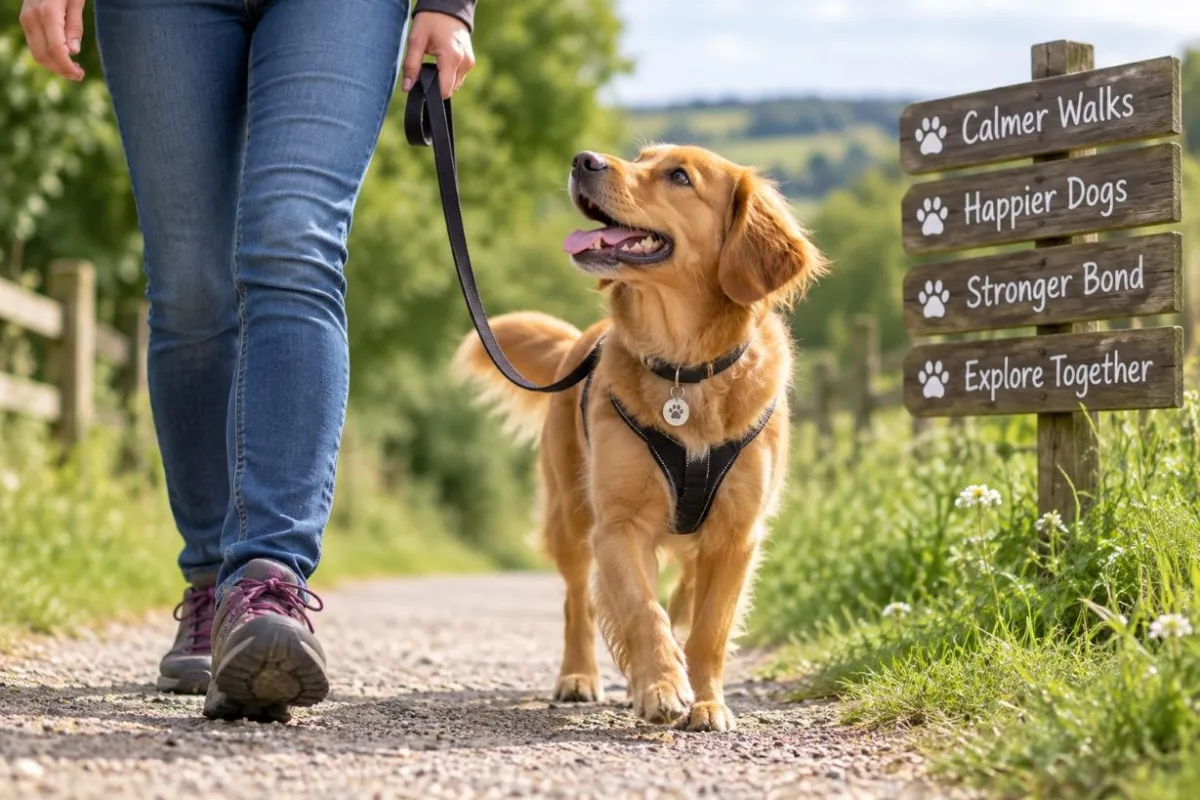
Loose-leash walking isn't about forcing your dog to march perfectly beside your leg for the entire walk. Dogs need opportunities to sniff, investigate and enjoy their surroundings.
The objective is simply to teach your dog that they can explore without dragging you behind them.
Be patient, stay consistent and reward the behaviour you want. Over time, your dog should begin to understand one very simple rule:
A tight lead stops the walk. A loose lead keeps the adventure going.
Once that lesson clicks, daily walks can become far more relaxed and enjoyable — for both ends of the lead.