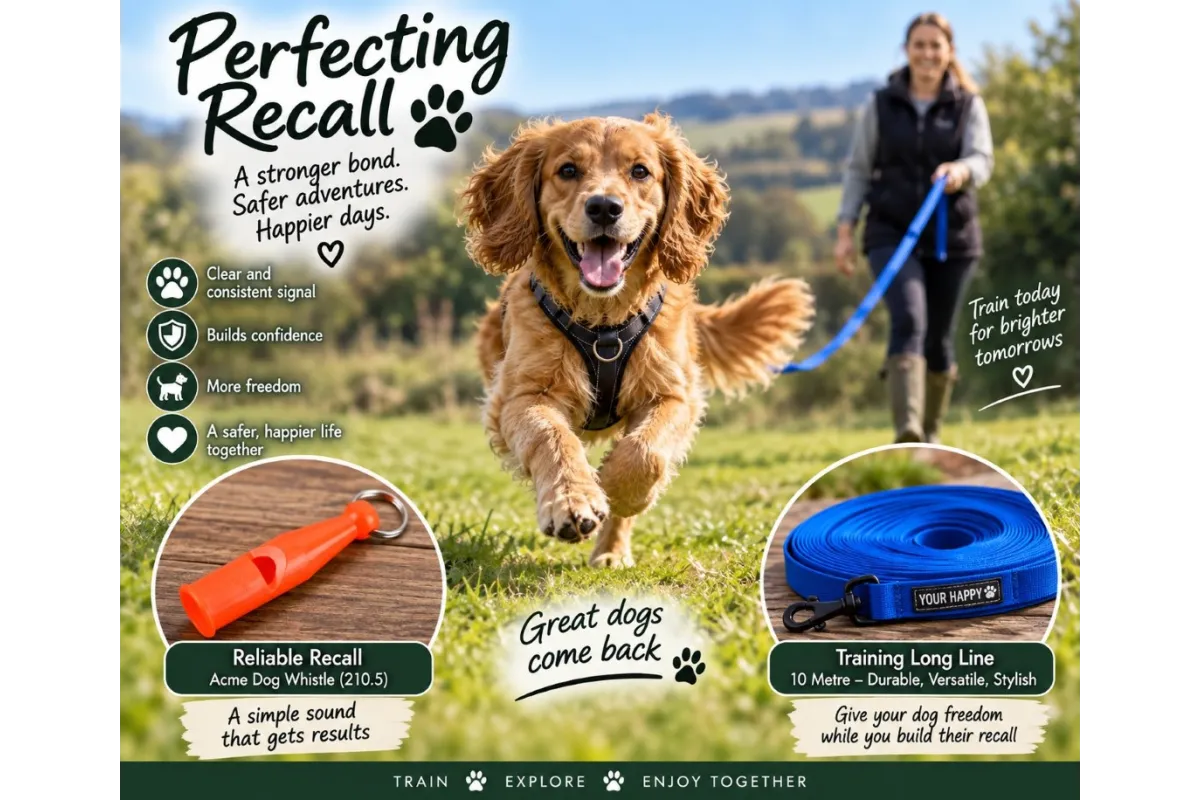
Perfecting Your Dog’s Recall: Using an ACME Whistle and Long Line for Reliable Results
Perfecting Your Dog’s Recall: Using an ACME Whistle and Long Line for Reliable Results
A reliable recall is one of the most important skills you can teach your dog. Being able to call your dog back quickly can make walks more enjoyable, give your dog greater freedom and, most importantly, help keep them safe.
However, achieving a dependable recall when there are squirrels, other dogs, interesting smells and exciting surroundings competing for your dog's attention can be challenging.
Two particularly useful pieces of equipment for recall training are the ACME Pro-Trialler 212 Dog Whistle and a 10 metre training long line. Used together with positive reinforcement and plenty of patience, they allow you to gradually build your dog's recall without immediately giving them complete freedom.
Why Is Recall Training So Important?
Recall simply means teaching your dog to return to you when asked.
At home, this might appear easy. Call your dog's name from across the kitchen and they're probably more than happy to come running towards you.
Move the same dog into a field filled with interesting smells and suddenly things can be very different!
The aim isn't simply to teach your dog what "come" means. You need to build a sufficiently strong response that your dog chooses to return despite distractions.
This takes time, repetition and progressively more challenging training situations.
Why Use a Whistle for Recall?
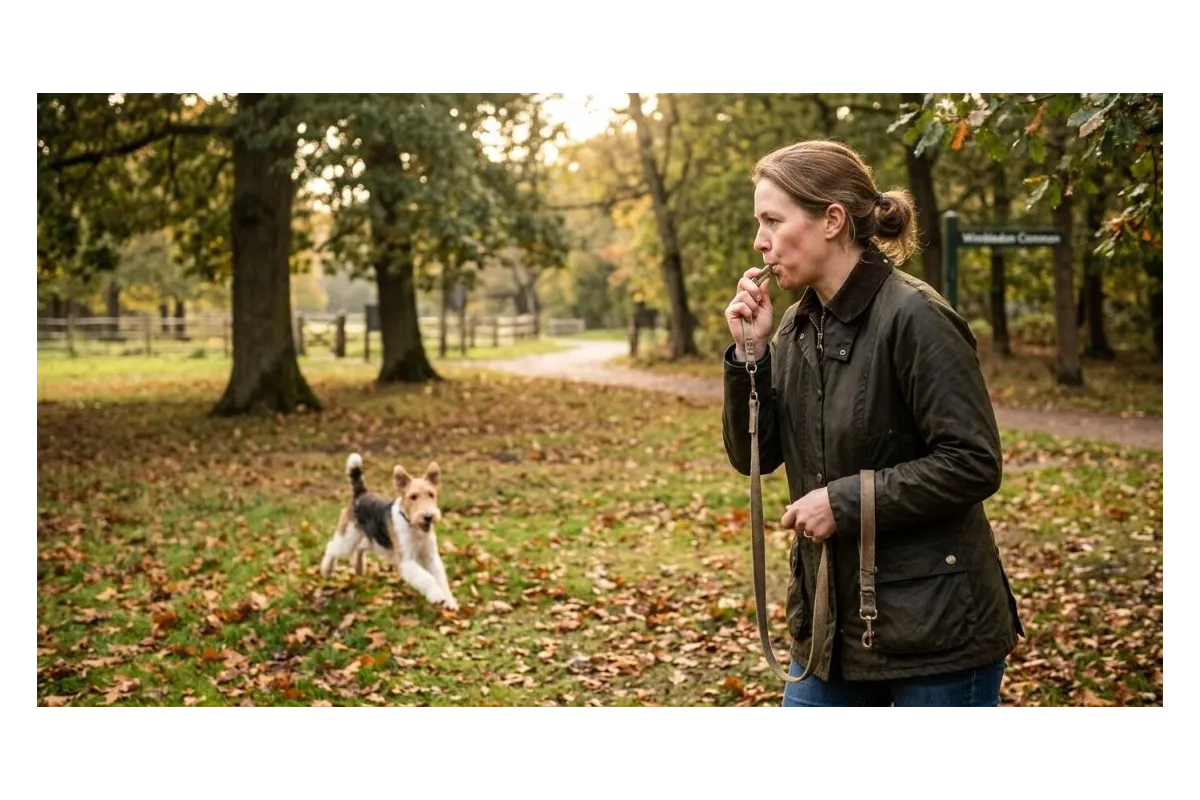
A whistle provides a clear and consistent signal that can be particularly useful when training recall.
Unlike your voice, the sound doesn't change because you're tired, frustrated or excited. It can also be easier for your dog to hear over distance or when there's environmental noise.
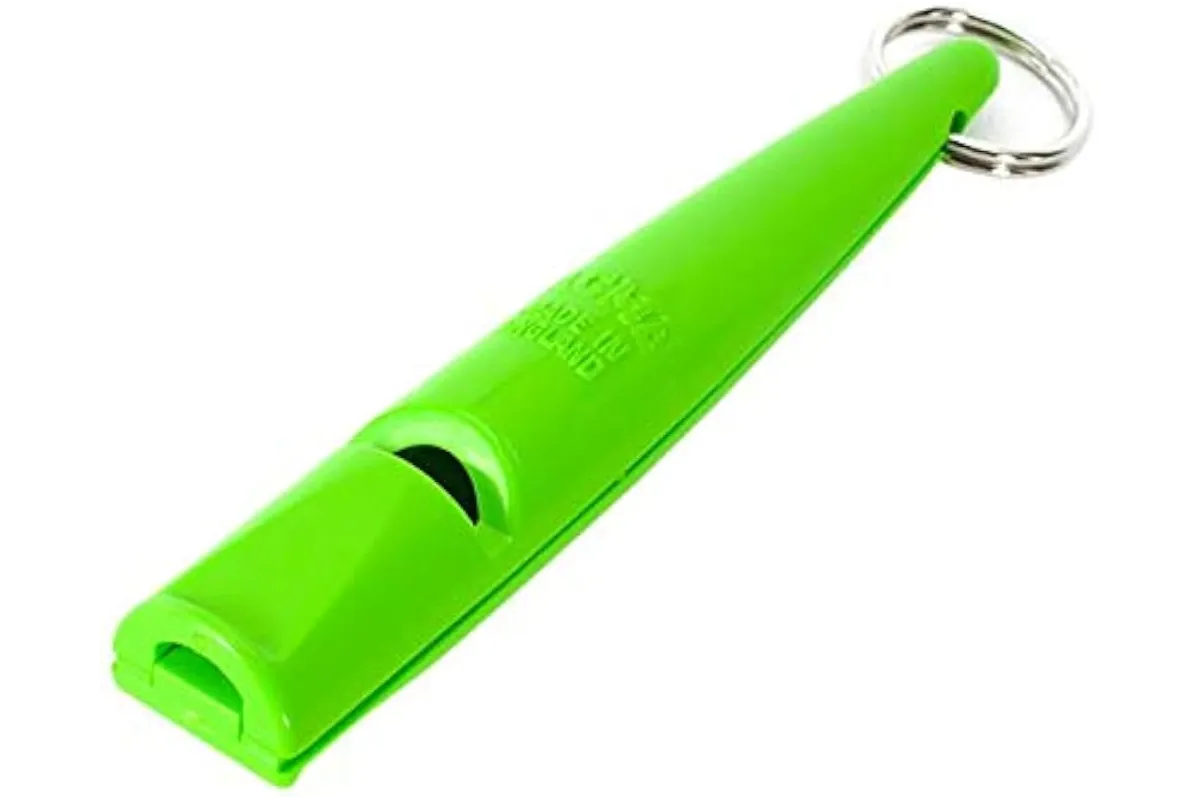
The ACME Pro-Trialler 212 Dog Whistle provides you with a dedicated signal that can become strongly associated with one behaviour:
Turn around and come back to me.
The secret is making that whistle signal extremely valuable to your dog.
Start Somewhere Easy
Don't begin whistle recall training by taking your dog into an exciting field and hoping for the best.
Start at home.
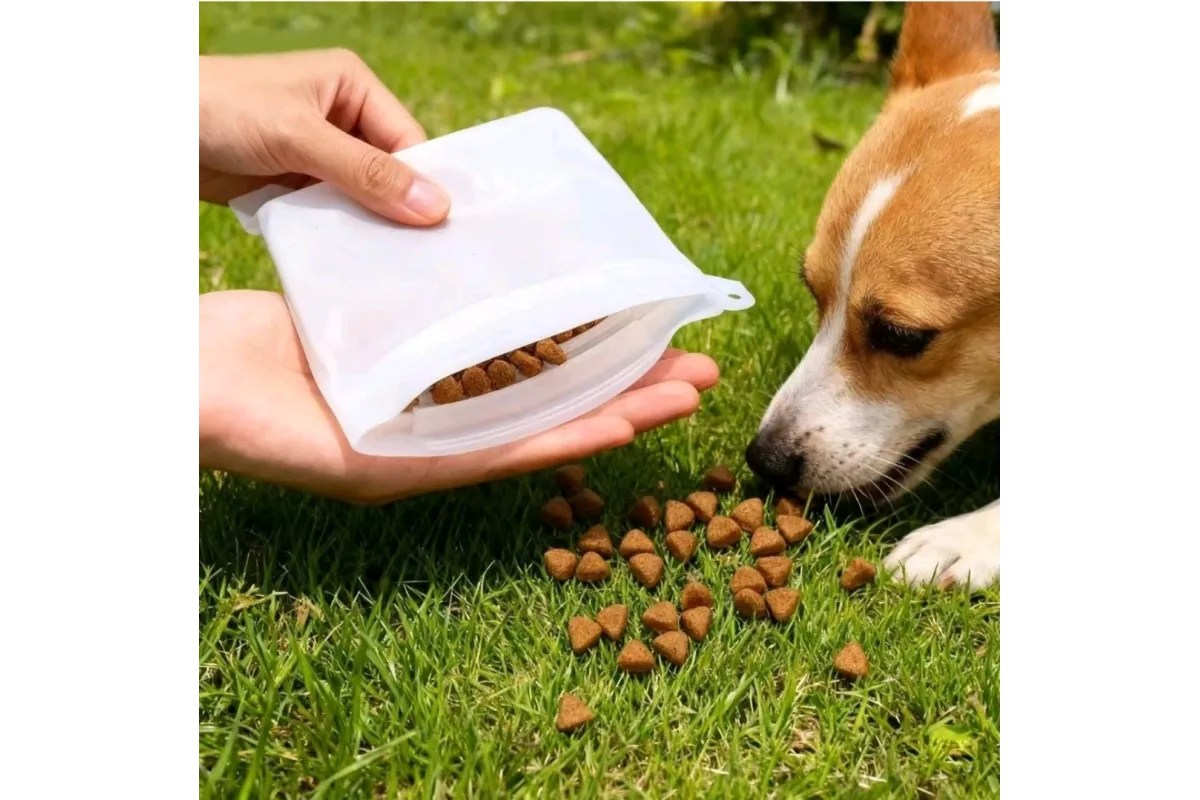
Have some small, high-value rewards ready. Allow your dog to move a short distance away and then give your chosen whistle signal. This might be several short pips rather than one continuous whistle.
As soon as your dog comes towards you, praise them enthusiastically and reward them when they reach you.
Initially, you're building an association:
Whistle = return to my owner = something good happens.
Repeat this in short sessions rather than practising continuously.
Make Returning to You Worthwhile
One of the biggest recall-training mistakes is making the reward too predictable or uninteresting.
Your dog has choices.
On one side there's you. On the other there might be another dog, an interesting scent or something disappearing into the bushes.
Your reward needs to compete with the environment.
Experiment with different rewards. Small pieces of your dog's favourite food may work brilliantly, while another dog might value a favourite toy or a short game with you.
When your dog responds exceptionally well in a difficult situation, give them an especially good reward.
You want your dog thinking:
"That whistle means it's worth going back!"
Introduce the Long Line
Once your dog understands the whistle indoors and in the garden, you can begin practising somewhere more interesting.
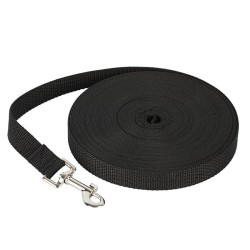
This is where a 10 Metre Dog Training Long Line becomes particularly useful.
A long line gives your dog significantly more freedom than a normal walking lead while allowing you to retain a degree of control.
Rather than immediately allowing an inexperienced dog completely off lead, you can let them investigate their surroundings while practising recall at realistic distances.
For safety, a long line is generally best attached to a well-fitting harness rather than directly to the dog's collar, particularly when working at distance. Avoid allowing the dog to charge to the end of the line, as the sudden stop can cause injury.
How to Practise With the Whistle and Long Line
Take your dog somewhere relatively quiet to begin with.
Allow them to move away and explore while the long line remains safely managed. When your dog isn't completely absorbed in something, give your normal whistle recall signal.
The moment your dog turns towards you, encourage them.
When they reach you, reward generously.
Then comes an extremely important part:
Let them go exploring again.
Many dogs learn that being recalled always means their fun is about to end. Owner calls, dog returns, lead goes on and everyone goes home.
It doesn't take long for a clever dog to work out that ignoring recall keeps the fun going!
Instead, regularly recall your dog, reward them and then release them back to exploring.
Returning to you shouldn't automatically mean the end of the walk.
Don't Use the Whistle Repeatedly
Imagine blowing your whistle.
Nothing happens.
So you whistle again.
And again.
And again.
Eventually your dog returns.
What have you accidentally taught them?
Potentially that the first whistle doesn't really matter.
Give your recall signal once and allow your dog the opportunity to respond. This is also why you shouldn't progress to highly distracting environments before your dog is ready.
The long line provides additional security while you're building reliability.
Gradually Increase Distractions
Once your dog is returning reliably in quiet locations, begin increasing the difficulty.
You could practise around gentle distractions such as interesting smells before progressing to environments where people or other dogs are visible at a sensible distance.
Don't jump directly from your garden to the busiest local park.
Think of recall training as a ladder. Your dog needs to become confident on each rung before moving to the next.
If recall suddenly becomes unreliable, you've probably increased the difficulty too quickly.
Simply move further away from the distraction and practise at an easier level.
Never Punish Your Dog for Coming Back
This is one of the golden rules of recall training.
Your dog disappears into an interesting patch of grass and ignores you. After what feels like forever, they finally return.
You're understandably frustrated.
But don't punish them.
From your dog's perspective, the sequence could become:
I returned to my owner and something unpleasant happened.
That isn't the association you want.
Even if your dog takes longer than expected, returning should still result in a positive experience.
Practise the Collar or Harness Grab
There's another useful step that's easily forgotten.
When your dog returns, gently take hold of their harness or collar before giving the reward.
Release them again afterwards.
Why?
Some dogs become excellent at running towards their owner but immediately dance just beyond grabbing distance!
Practising calm handling teaches your dog that being gently held is simply another part of the recall routine.
Create an Emergency Recall
Once your normal recall is established, you may also choose to develop a special emergency signal.
This should be a whistle pattern that you don't use casually.
Pair it with an exceptionally valuable reward and practise it occasionally in easy situations.
The emergency signal should effectively mean:
Stop what you're doing and get back to me immediately because something amazing is waiting.
Don't waste this signal by repeatedly testing it when you aren't confident your dog will respond.
Know When Your Dog Is Ready for More Freedom
Don't be in a hurry to remove the long line.
Reliable recall isn't demonstrated by your dog returning three times in an empty field. You want a history of successful responses across different environments and around progressively more challenging distractions.
You can gradually increase freedom while continuing to practise.
Even dogs with excellent recall should only be allowed off lead where it is safe, appropriate and permitted. Around livestock, roads or other situations where off-lead exercise would be unsafe, keeping your dog under suitable control remains essential.
Keep Practising Throughout Your Dog's Life
Recall isn't something you teach once and then forget.
Continue occasionally rewarding excellent recalls throughout your dog's life.
Sometimes use food. Sometimes offer praise, play or the opportunity to return to exploring.
Most importantly, keep the experience positive.
Whistle + Long Line = A Powerful Training Combination
Perfect recall doesn't happen overnight.
It develops through hundreds of successful repetitions where your dog learns that responding to you is consistently worthwhile.
The ACME Pro-Trialler 212 Dog Whistle provides a clear, consistent recall signal, while the 10 metre long line allows you to practise at increasing distances without immediately giving your dog unrestricted freedom.
Start somewhere easy, reward generously, increase distractions gradually and avoid repeatedly calling when your dog isn't ready to respond.
With patience and consistent training, that simple sound of the whistle can eventually produce exactly the response you're looking for:
Your dog immediately turns, races back towards you and happily waits to see what happens next.
Related products
You may also like