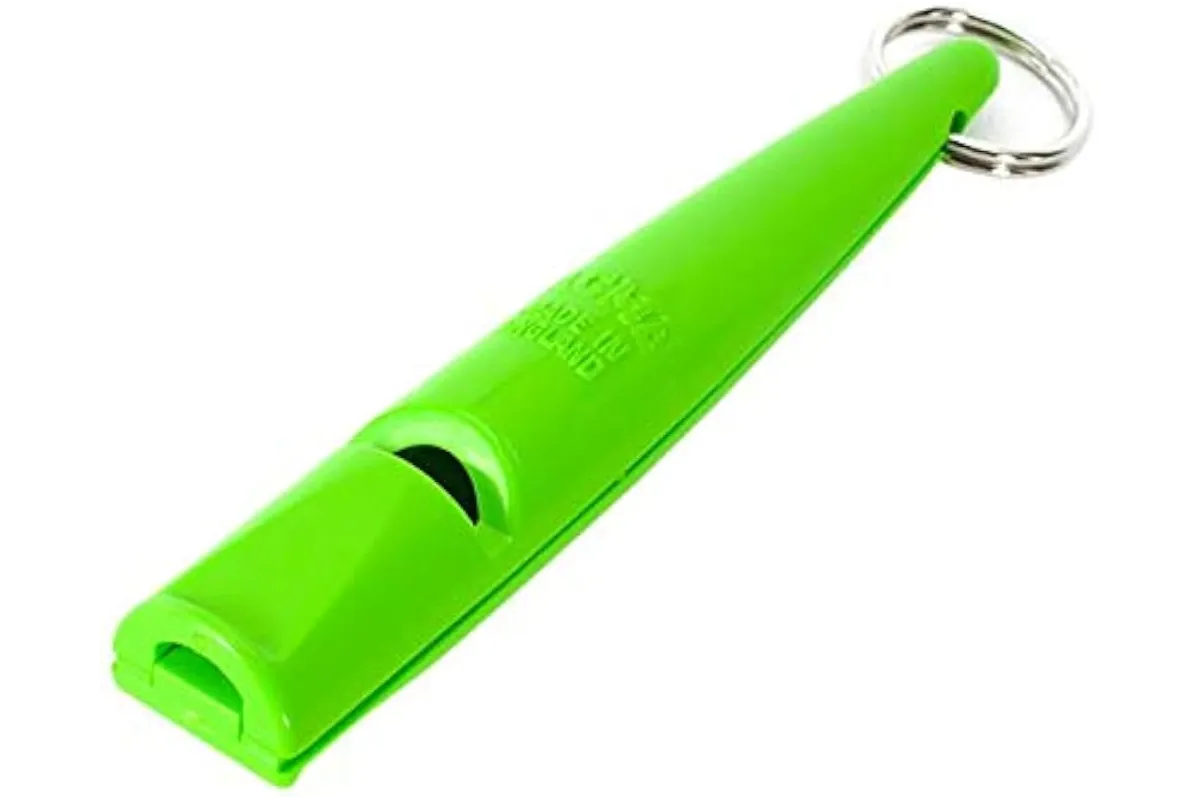
Acme Whistles, which one is best for my dog?
Acme Whistles, Which One is Best for My Dog?
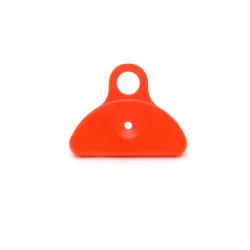
Acme Whistles have established themselves as a trusted choice for dog training and communication. With various models available, it can be challenging to determine which whistle is the best fit for your canine companion. In this article, we will explore the different types of Acme Whistles and help you make an informed decision.
Understanding Acme Whistles
Acme Whistles are renowned for their high-quality sound and durability. They are commonly used by trainers and pet owners to communicate commands over long distances. The key features that set Acme Whistles apart include:
- Consistent Sound: Acme Whistles produce a clear, consistent tone that is easily recognizable by dogs.
- Durable Materials: Made from robust materials, these whistles are designed to withstand outdoor conditions.
- Variety of Tones: Different models emit different pitches, allowing for customized training approaches.
Popular Models of Acme Whistles
Here are some of the most popular Acme Whistle models and their unique features:
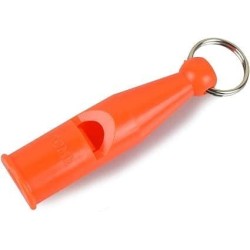
- Acme 210.5 Whistle:
- Ideal for small to medium-sized dogs.
- Produces a high-pitched sound that carries well.
- Acme 211.5 Whistle:
- Versatile for various dog breeds.
- Offers a moderately high tone, suitable for training and recall.
- Acme 212 Whistle:
- Best for larger breeds or dogs in noisy environments.
- Has a lower pitch that travels further distances.
Choosing the Right Acme Whistle for Your Dog
When selecting the best Acme Whistle for your dog, consider the following factors:
- Dog Size: Smaller dogs may respond better to higher-pitched whistles, while larger breeds might need a lower tone.
- Training Purpose: Determine if you need the whistle for basic commands, recall, or advanced training.
- Environmental Conditions: If you frequently train in noisy areas, opt for a whistle that can be heard over distractions.
How to Train Your Dog with an Acme Whistle
Once you've chosen the right whistle, follow these steps to effectively train your dog:
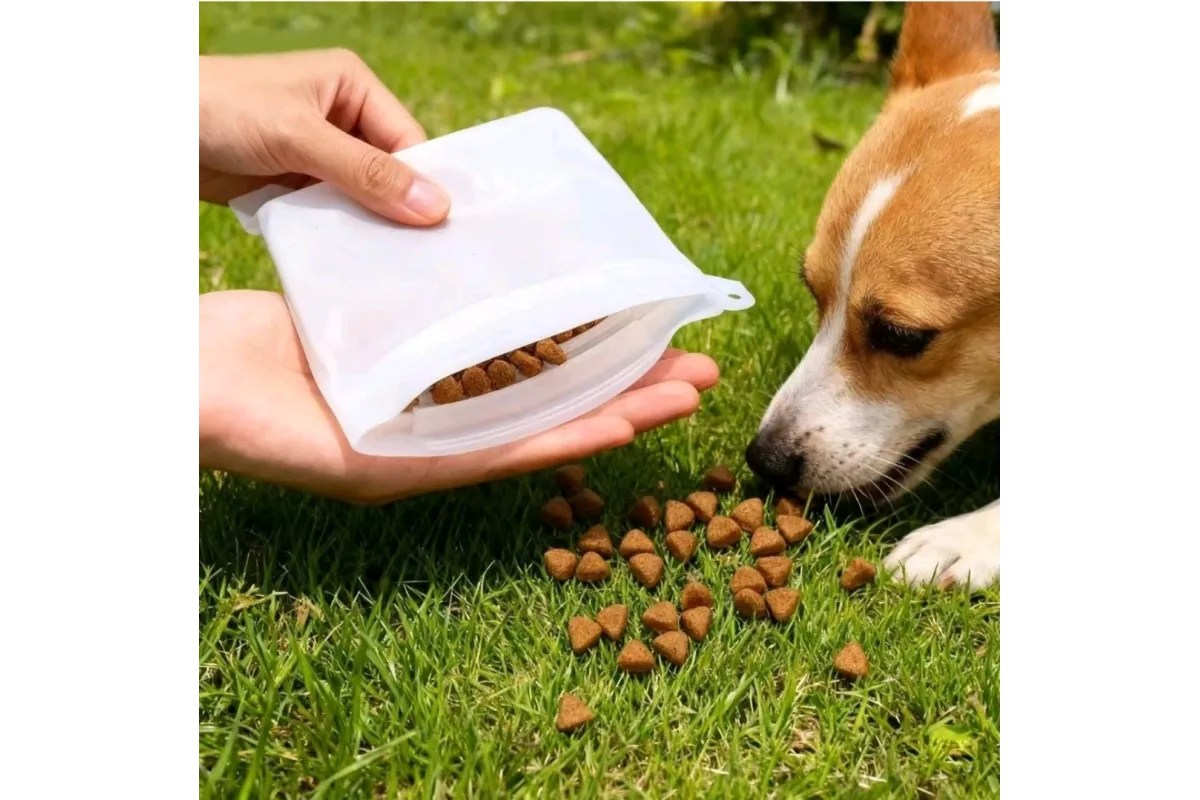
- Introduce the Whistle: Allow your dog to become familiar with the sound of the whistle. Use treats to create positive associations.
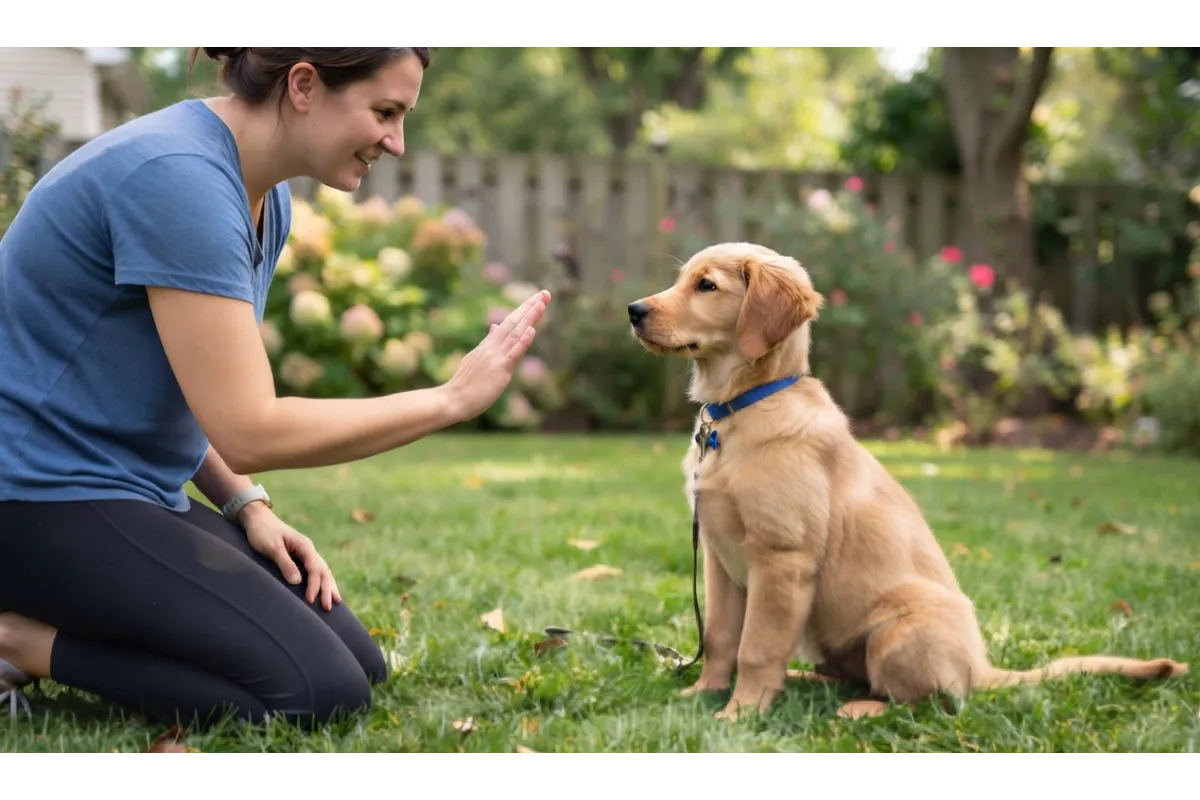
- Start with Simple Commands: Use the whistle to signal basic commands like "sit" or "come." Reward your dog when they respond correctly.
- Increase Difficulty: Gradually introduce more complex commands and distractions to reinforce training.
Conclusion
Choosing the right Acme Whistle for your dog can significantly enhance your training experience. By understanding the different models and considering your dog's specific needs, you can select the best whistle to facilitate effective communication. Remember, consistency and positive reinforcement are key to successful training. Happy whistling!