The Acme 470 Clicker, what makes it so good and how do I use it
The Game Changer: Why the Acme 470 Clicker is a Must-Have for Dog Training
Dog training isn’t just about obedience; it’s about building a bridge of communication. It’s about saying, "Yes, that’s exactly what I wanted you to do!" at the precise moment the action happens. While voice commands are vital for cues, they lack the speed and precision required to mark the exact behavior you want to reward. That’s where the clicker comes in.
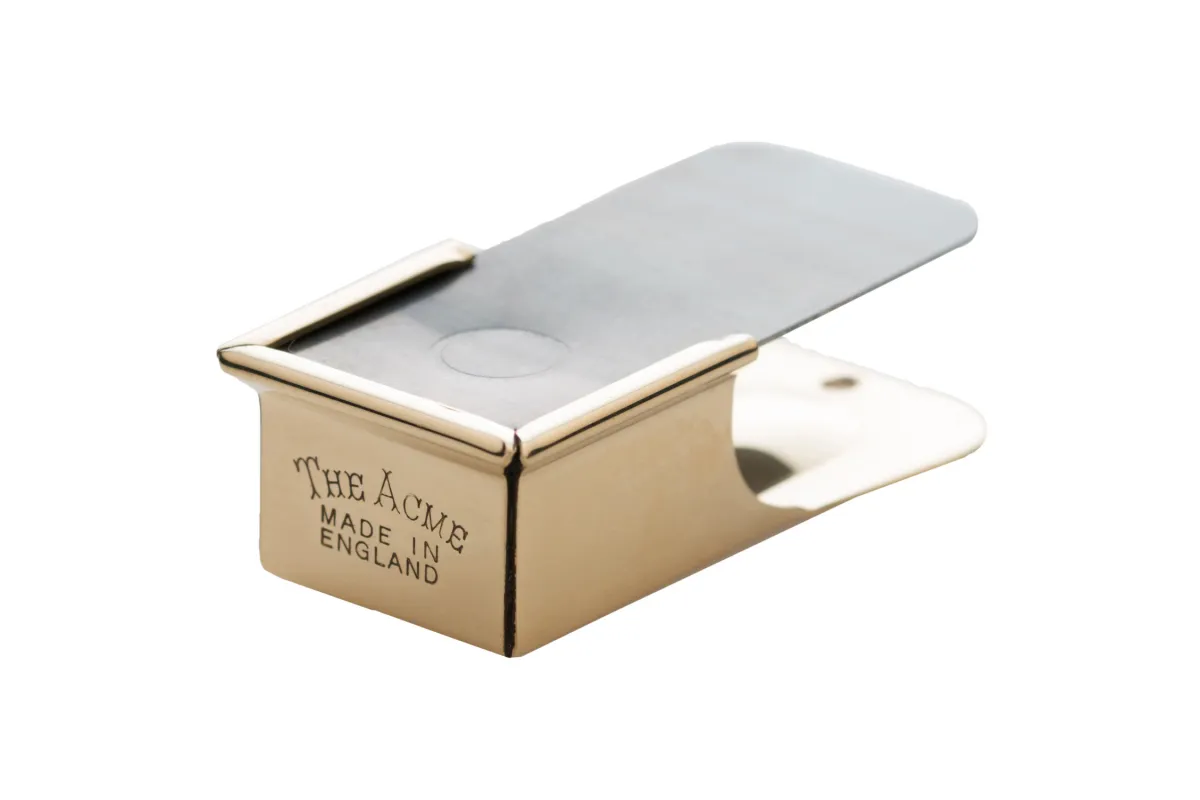
And out of all the clickers available on the market, the Acme 470, often recognized by its iconic teardrop shape and ring pull, stands out as the gold standard. For trainers, behaviorists, and pet owners alike, the Acme 470 isn't just a tool; it’s the key to clear, efficient, and humane communication.
Here’s why the Acme 470 is the best tool for the job, and exactly how to use it to transform your training.
Why the Acme 470 Dominates
You might ask, "Isn’t a clicker just a clicker? Why does it matter?" The difference is in the mechanics, sound, and durability of the Acme 470.
1. The Sound: Crisp and Consistent
The Acme 470 produces a distinct, sharp "click" sound. It is not too loud to startle sensitive dogs, nor is it so quiet that it gets lost in an environment. Critically, the sound is consistent. If you use a pen cap or your tongue to make a clicking sound, the tone changes with your mood, tiredness, or speed. The Acme 470 guarantees the exact same "yes" every single time. This eliminates confusion for the dog.
2. Ergonomic Design (The Teardrop and Ring)
The clicker is designed to fit comfortably in the palm of your hand, making it easy to hide until needed. It features a stainless steel ring pull (rather than a button) which offers a superior tactile experience. This design minimizes fumbling, ensuring you can click immediately when your dog performs the behavior.
3. Superior Construction
Unlike cheap plastic clickers that break if dropped or lose their "pop" over time, the Acme 470 is robustly built. It is designed to withstand the demands of professional training sessions. Many trainers have used the same Acme clicker for years, making it an incredibly cost-effective investment.
4. Variable Pitch
This is a unique feature of many Acme clickers. While it may sound consistent to us, dogs are hypersensitive to pitch. You can manipulate the pitch slightly by where you press the clicker mechanism. This allows you to have a "loud" click for outdoor distance work and a "soft" click for indoor, focused sessions with a sensitive dog.
The 3-Step Process: How to Use the Acme 470
Using a clicker is deceptively simple, but mastering the timing is everything. The process can be broken down into three distinct phases:
Phase 1: Loading the Clicker (Classical Conditioning)
Before you ask your dog to do anything, the clicker means nothing. The dog must learn that the sound is a predictor of something wonderful (like a high-value treat).
Prepare: Grab the Acme 470 and about 20-30 tiny, delicious treats (e.g., cheese, hot dogs, freeze-dried liver).
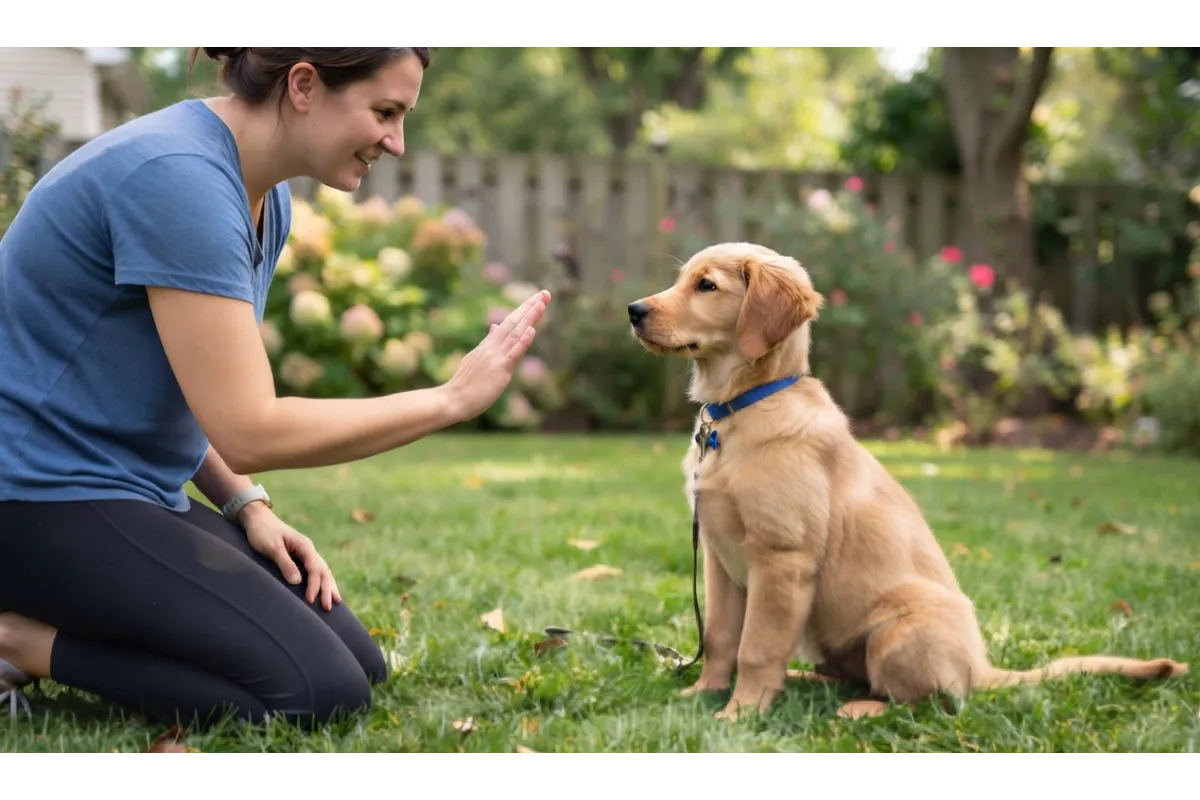
The Action: Sit comfortably near your dog. Click the Acme 470 and immediately (within 1 second) give your dog a treat. Do not wait. The click and the treat must be linked in time.
Repeat: Do this 15-20 times in a row. Pause for a few minutes, then repeat later that day.
The Test: To know the clicker is "loaded," wait until your dog is looking away. Click the Acme 470. If your dog’s head snaps around toward you, expecting a reward, they understand the association. The clicker now possesses power.
Phase 2: Capturing the Behavior (Operant Conditioning)
Now that the sound means a reward is coming, you can use it to tell the dog when the reward is earned.
Wait: Observe your dog. Do not give any commands. Wait for them to perform a natural, desirable behavior, such as sitting, lying down, or making eye contact with you.
Click: The moment their bottom hits the floor, or their belly touches the ground, CLICK.
Treat: Reward your dog. The treat can come from your other hand, the floor, or your pocket—it doesn’t matter where it comes from, only that the click happened before the treat was given.
Why it Works: The click stops the behavior. If you only use treats, the dog is still performing the action while chewing, perhaps rolling over or standing up. The click freezes that perfect moment of "sit," letting the dog know exactly what action earned the reward.
Phase 3: Introducing the Cue
Only after your dog is reliably offering the behavior in anticipation of the click do you add the word (the cue).
Predict: As your dog is moving to sit, say the word "Sit."
Click: When the sit is completed, click.
Reward: Give the treat.
Test: Eventually, try saying "Sit" before they move. If they respond to the word, then click and reward, the cue is cemented.
The Acme 470 clicker transforms dog training from a guessing game into a clear, positive conversation. It provides the precision required for complex tricks and the clarity essential for basic manners, making it an indispensable tool for every modern dog owner.

Related products


You may also like