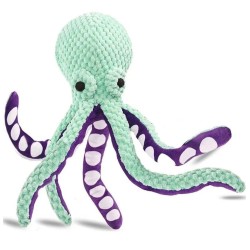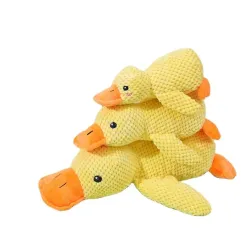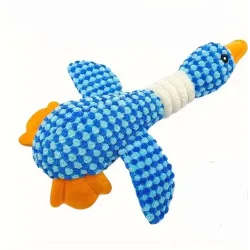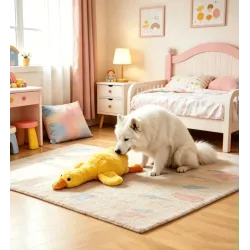
Anxiety in dogs, can a plush toy really help?
How a Plush Toy Can Help Dogs With Anxiety and Separation Problems
Dogs are social animals, and many form incredibly strong bonds with their owners. While this close relationship is one of the wonderful things about sharing your home with a dog, it can sometimes lead to problems when your pet is left alone. Some dogs become anxious, distressed or destructive when their owner leaves, while others simply struggle to settle without their favourite person nearby.
There are many ways to help a dog cope with anxiety and separation problems, including appropriate training, creating a calm environment and providing enrichment. One surprisingly simple addition can be a plush toy designed for dogs. While a soft toy is not a cure for separation anxiety, the right toy can provide comfort, companionship and something positive for your dog to focus on when you are not there.
Why Do Dogs Experience Separation Anxiety?
Separation anxiety occurs when a dog becomes distressed because they are separated from someone they are strongly attached to. The signs can range from mild restlessness to significant distress.
A dog experiencing separation-related anxiety might bark, whine, howl, pace, scratch at doors, chew furniture or have accidents indoors. Some dogs may become unusually clingy before their owner leaves, while others struggle to relax once they are alone.
Puppies can be particularly dependent on their owners, but separation problems can occur in dogs of any age. Changes in routine, moving house, being rehomed or suddenly spending more time alone can sometimes contribute to anxious behaviour.
How Can a Plush Toy Help?
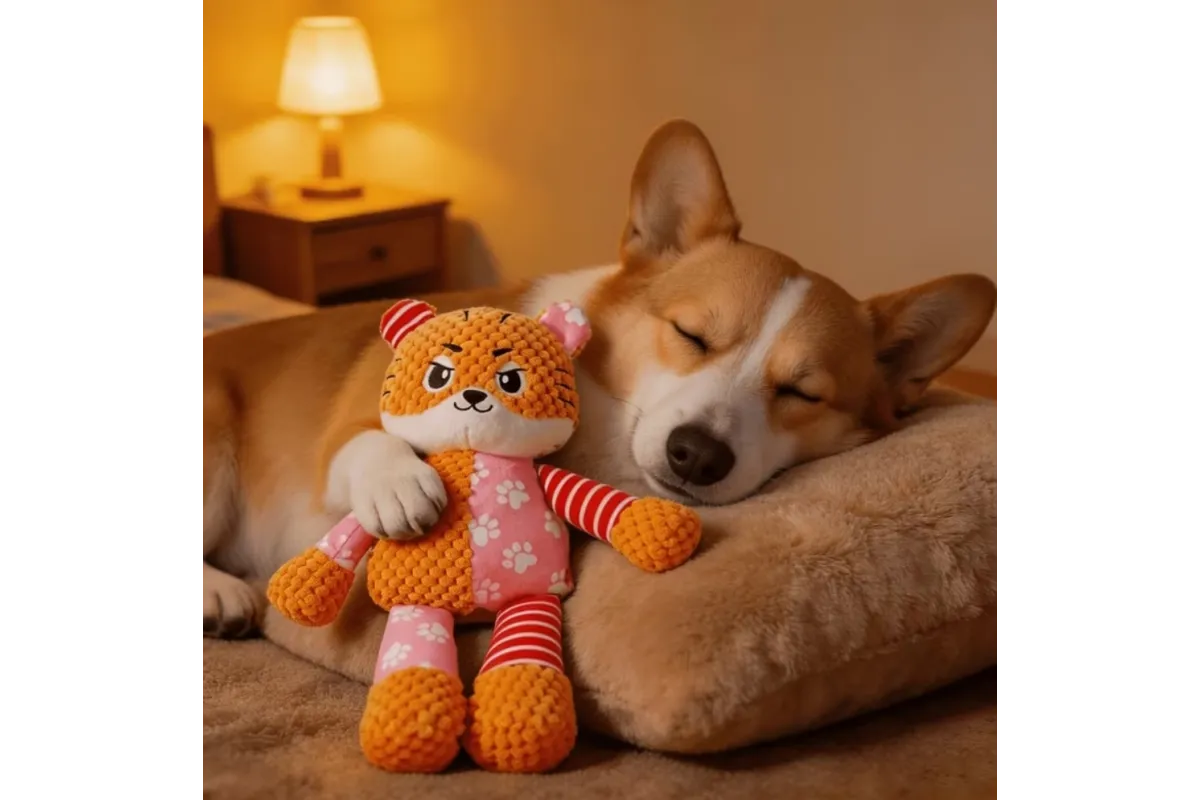
A plush toy can give your dog something familiar and comforting to interact with while you are away. Dogs use their senses to explore their environment, and a soft toy can provide a reassuring object that is associated with relaxation, play and positive experiences.
For some dogs, having a favourite toy nearby can make an empty room feel less unoccupied. Instead of simply being left with nothing to do, the dog has something familiar to sniff, carry, cuddle or play with.
This can be particularly useful when the toy is introduced as part of a wider routine designed to help your dog feel comfortable when alone.
A Familiar Comfort
Dogs often find comfort in familiar smells. A plush toy that your dog regularly plays with can become a familiar part of their environment.
Some owners also choose toys that can safely carry a familiar household scent. However, it is important not to leave clothing or fabric with your dog if they are likely to chew it and swallow pieces.
A washable dog plush toy is generally a better choice because it can become a consistent and safe part of your dog's routine.
Providing Something to Do
Boredom can sometimes make separation-related behaviour worse. A dog that has nothing to occupy them may spend more time focusing on the fact that their owner has left.
A plush toy can provide an appropriate outlet for natural behaviours such as carrying, chewing, shaking and playing.
For dogs that enjoy gentle play, a soft toy can become a favourite companion. Some plush toys are also designed with different textures, squeakers or other features that can provide additional sensory stimulation.
However, every dog is different. A toy that keeps one dog entertained might be ignored by another.
Choosing the Right Plush Toy
Safety should always be the first consideration when choosing a plush toy.
Select a toy that is appropriate for your dog's size and chewing habits. Check regularly for loose stitching, damaged fabric, exposed stuffing or detached features. If your dog is an enthusiastic chewer, a traditional plush toy may not be suitable for unsupervised use.
Squeakers and other small components can also become dangerous if a dog manages to remove and swallow them.
For dogs that are likely to destroy a toy quickly, look for products specifically designed to withstand their style of play. Even then, no toy should be assumed to be completely indestructible.
Introduce the Toy Before Leaving
One mistake owners can make is giving their dog a new toy only when they leave the house. Your dog may quickly learn that the toy predicts you are going out, which could actually make it part of the separation routine.
Instead, introduce the plush toy while you are at home.
Let your dog investigate it, play with it and relax with it while you are nearby. You can gradually create positive associations with the toy by using it during calm periods or gentle play sessions.
Eventually, the toy can become a familiar and reassuring part of your dog's daily environment.
Combine the Toy With Training
A plush toy works best as part of a broader approach to separation problems.
If your dog becomes distressed when you leave, gradually teaching them that being alone is safe can be much more effective than simply giving them a toy and walking away for several hours.
Short periods of separation can be introduced gradually, always aiming to keep your dog below the point where they become extremely distressed. Calm departures and arrivals can also help reduce the amount of excitement surrounding your comings and goings.
Providing exercise, mental stimulation and an appropriate toilet break before alone time can also help your dog settle.
For serious separation anxiety, it is advisable to speak to a qualified veterinary professional or behaviourist. Severe anxiety can require a carefully structured behaviour modification plan, and in some cases additional veterinary support may be appropriate.
A Simple Source of Comfort
A plush dog toy might seem like a small addition, but for some dogs it can become a valuable source of comfort and enrichment. A familiar soft toy can give your dog something positive to focus on, encourage independent play and provide a sense of familiarity when their owner is away.
It is important to remember that a plush toy does not cure separation anxiety. Instead, it can be one useful tool within a larger strategy that includes gradual training, enrichment, appropriate exercise and a safe, comfortable environment.
With patience and consistency, you can help your dog become more confident about spending time alone. And if that journey includes a favourite cuddly toy that your dog carries everywhere, there is certainly no harm in giving them a little extra comfort along the way.