Dogs with destructive behaviour and chewing problems
Why Dogs Chew and Destroy Things and How to Stop It
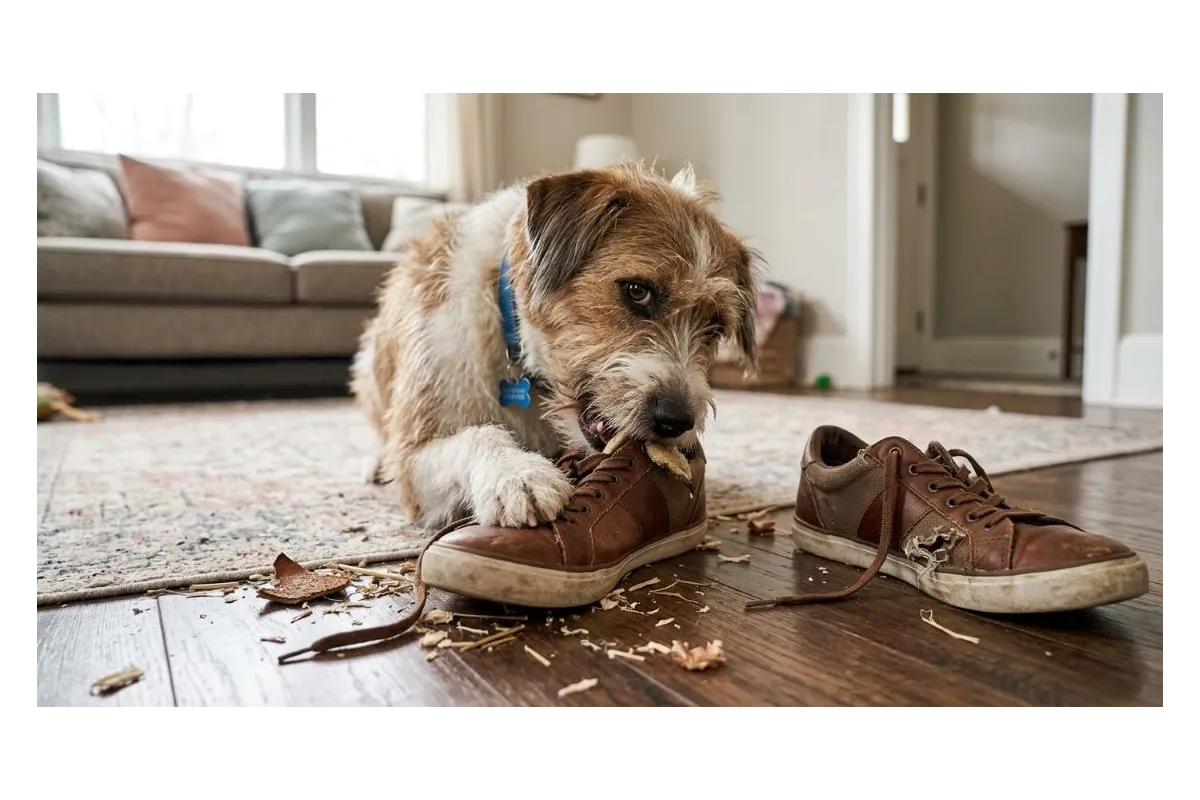
Finding that your dog has chewed your favourite shoes, destroyed a cushion or pulled apart something they shouldn't can be incredibly frustrating. However, destructive behaviour is rarely your dog simply being "naughty". Chewing and destruction are natural behaviours for dogs, and there is usually a reason behind them.
Understanding why dogs chew and become destructive is the first step towards preventing the behaviour and helping your dog develop better habits.
Why Do Dogs Chew?
Chewing is a perfectly normal behaviour for dogs. Puppies, in particular, explore their surroundings using their mouths, much like young children use their hands. Chewing can help puppies investigate objects, relieve discomfort while they are teething and learn about their environment.
Adult dogs also have a natural desire to chew. It can provide mental stimulation, help relieve boredom and simply be enjoyable.
Problems arise when your dog decides that your furniture, shoes, skirting boards or other household items make better chewing objects than their own toys!
Boredom Can Lead to Destructive Behaviour
One of the most common reasons dogs become destructive is boredom. Dogs need more than food, water and somewhere comfortable to sleep. They also require regular physical exercise and mental stimulation.
A dog that has lots of unused energy may look for its own entertainment. Unfortunately, chewing a chair leg or emptying the contents of a bin can be much more rewarding to a bored dog than lying quietly on the sofa.
Providing regular walks, play sessions, training and enrichment can help keep your dog occupied and reduce the temptation to find their own entertainment.
Puppies and Teething
Puppies are particularly enthusiastic chewers. As their adult teeth develop, chewing can help provide relief from the discomfort associated with teething.
Rather than trying to prevent a puppy from chewing altogether, it is much more effective to teach them what they are allowed to chew.
Provide a selection of suitable puppy-safe toys with different textures and shapes. When your puppy chooses an appropriate toy, praise them and encourage the behaviour.
Remember that puppies have little understanding of which household items are valuable. A slipper may look just as interesting to them as a dog toy, so supervision and prevention are important.
Anxiety and Separation Problems
Destructive behaviour can sometimes be linked to anxiety, particularly when it happens while a dog is left alone.
A dog experiencing separation-related distress may chew doors, windows, furniture or other objects as they try to cope with being separated from their owner.
Other signs may include barking, whining, pacing, scratching at doors, excessive drooling or toileting indoors.
If destruction mainly happens when your dog is alone, consider whether anxiety could be contributing to the behaviour rather than simply assuming your dog is bored.
Severe separation problems may require help from a qualified dog behaviourist or veterinary professional.
Lack of Training
Dogs do not automatically understand which objects belong to them and which objects are off-limits. Teaching appropriate behaviour is therefore an important part of preventing destructive chewing.
If you catch your dog chewing something inappropriate, calmly interrupt them and redirect their attention towards an acceptable toy. When they start chewing the correct item, reward them with praise.
Avoid shouting or punishing your dog after the event. Dogs generally cannot understand why they are being punished for something they did several minutes earlier, and punishment can sometimes increase anxiety without teaching them what you actually want them to do.
Give Your Dog Plenty of Appropriate Chew Toys
One of the easiest ways to reduce unwanted chewing is to provide attractive alternatives.
Keep several suitable toys available and rotate them regularly so they remain interesting. Puzzle toys, treat-dispensing toys and durable chew toys can provide both entertainment and mental stimulation.
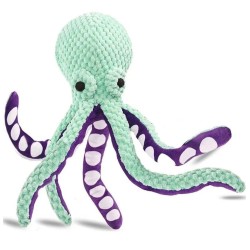
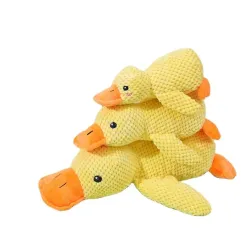
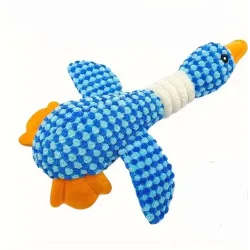
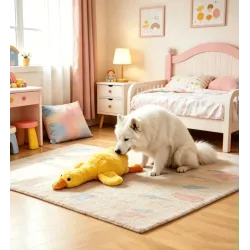
Plush toys can also be enjoyable for dogs that like carrying, cuddling or gently chewing. However, some dogs are powerful chewers and may quickly destroy soft toys, so always choose toys appropriate for your dog's size and chewing style.
Inspect toys regularly and remove anything that has become damaged or has loose pieces that could be swallowed.
Make Your Home Dog-Friendly
Prevention is often much easier than trying to correct destructive behaviour after it has started.
Keep shoes, children's toys, remote controls and other tempting objects out of your dog's reach. Secure rubbish bins and avoid leaving food or other interesting items on accessible surfaces.
During the training stage, you may need to restrict your dog's access to certain areas of the house when you cannot supervise them.
This isn't about punishing your dog. It simply prevents them from practising unwanted behaviour while they are learning what is expected.
Exercise and Mental Stimulation Matter
A tired dog isn't necessarily a well-behaved dog, but an appropriately exercised and mentally stimulated dog is often much easier to settle.
Alongside regular walks, consider activities such as scent games, basic obedience training, food puzzles, retrieving games and supervised chewing sessions.
Mental exercise can be just as valuable as physical exercise. Even a few minutes of training can make your dog think, concentrate and use energy.
Never Ignore Sudden Destructive Behaviour
If your dog suddenly becomes destructive despite previously being settled, it is worth considering whether something has changed.
Changes in routine, a new environment, lack of exercise, fear, anxiety or an underlying health problem can sometimes contribute to behavioural changes. If you are concerned about a sudden or severe change in behaviour, speak to your vet.
Understanding Your Dog Is the Key
Destructive chewing can be frustrating, but it is important to remember that your dog isn't usually trying to upset you. They may be bored, teething, looking for stimulation, experiencing anxiety or simply following a completely natural instinct to chew.
The best approach is to identify the reason behind the behaviour, prevent access to tempting objects, provide suitable alternatives and reward your dog for making good choices.
With patience, consistency and plenty of appropriate enrichment, most dogs can learn that their toys are for chewing and your furniture is not. By working with your dog's natural instincts rather than simply trying to suppress them, you can create a happier dog and a much more peaceful home.