
Preparing a Nervous Dog for Halloween: How to Handle Trick-or-Treat Visitors
Preparing a Nervous Dog for Halloween: How to Handle Trick-or-Treat Visitors
Halloween can be great fun for families, but for a nervous dog, it can be one of the most confusing evenings of the year. The doorbell keeps ringing, strangers appear at the front door, children are wearing unusual costumes and there may be more noise than your dog normally experiences.
Fortunately, a little preparation can make Halloween much less stressful. If you know your dog is nervous around strangers, noises or unexpected visitors, planning ahead can help you create a calmer and safer evening for everyone.
Why Can Halloween Be Frightening for Dogs?
Dogs thrive on familiarity and routine, and Halloween can suddenly change both.
Imagine the evening from your dog's perspective. Someone approaches the house, knocks loudly on the door and then appears wearing a mask, hat or unusual costume. Just as everything becomes quiet again, another group arrives.
Some dogs will simply be curious, but nervous dogs may bark, hide, pace, shake or become extremely unsettled.
Even dogs that normally enjoy meeting visitors can find repeated knocks at the door overwhelming.
Create a Safe Space Before Halloween Begins
One of the best things you can do is create a comfortable area where your dog can retreat from the activity.
Choose a quiet room away from the front door and make it somewhere your dog already enjoys spending time. Add their bed, blankets, favourite toys and fresh water.
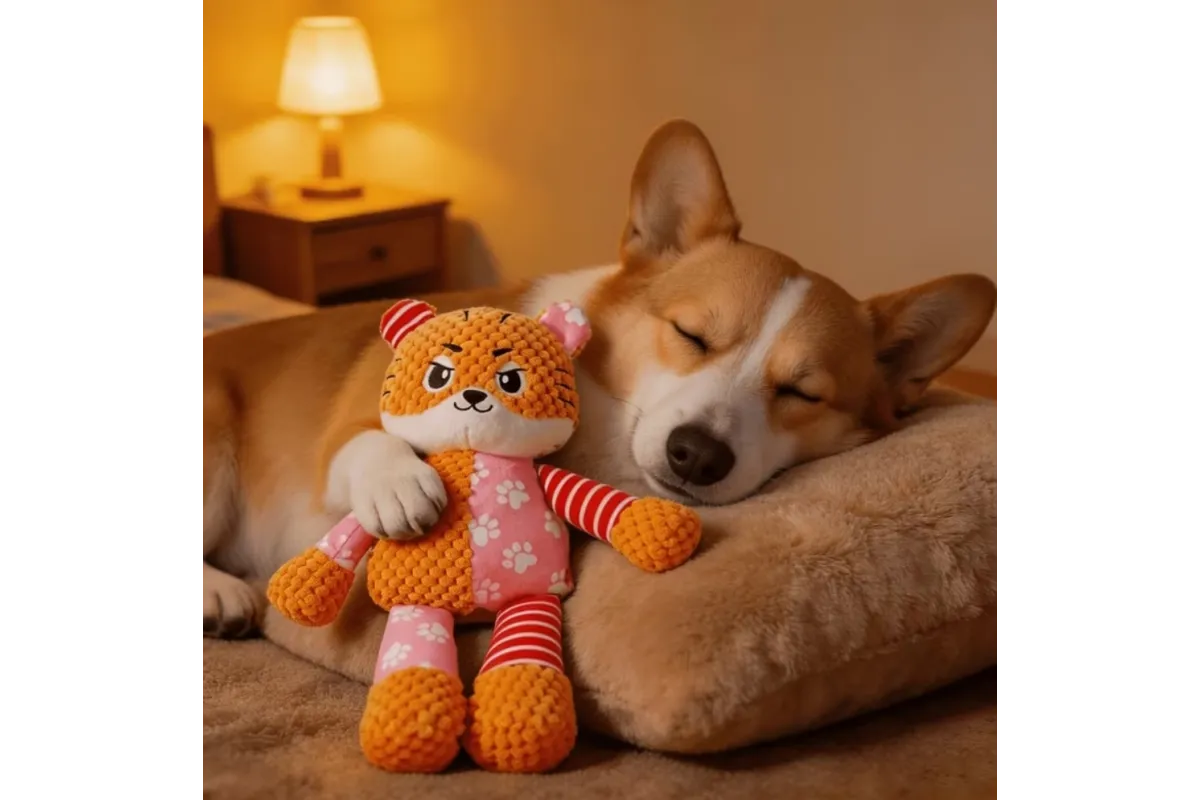
A familiar plush toy or comfort toy can also be useful for dogs that enjoy cuddling or carrying something when they feel uncertain.
Don't wait until Halloween night to introduce this area. Encourage your dog to spend time there beforehand so that it becomes associated with relaxation rather than isolation.
Reduce the Doorbell Problem
For some dogs, the biggest Halloween trigger isn't the costumes – it's the doorbell.
If your dog normally races towards the door whenever it rings, dozens of trick-or-treaters can quickly create an extremely stressful situation.
Consider temporarily disabling your doorbell and putting a friendly sign outside asking visitors to knock gently or better still a sign to say an anxious dog lives here do not knock but help yourself to the goodies you have left outside. Alternatively, you could sit outside to hand out sweets so people don't need to knock at all.
If possible, another family member can deal with trick-or-treaters while someone else stays with the dog.
Keep Your Dog Away From the Front Door
Even if your dog is normally friendly, repeatedly opening the front door creates an unnecessary escape risk.
A frightened dog may behave very differently from normal. If something suddenly startles them, they could run through an open doorway.
Use a closed internal door, stair gate or another suitable barrier to keep your dog safely away from the entrance.
Make sure your dog has an identification tag and microchip details are up to date too. Good preparation is always preferable to trying to find a frightened dog that has escaped.
Exercise Earlier in the Day
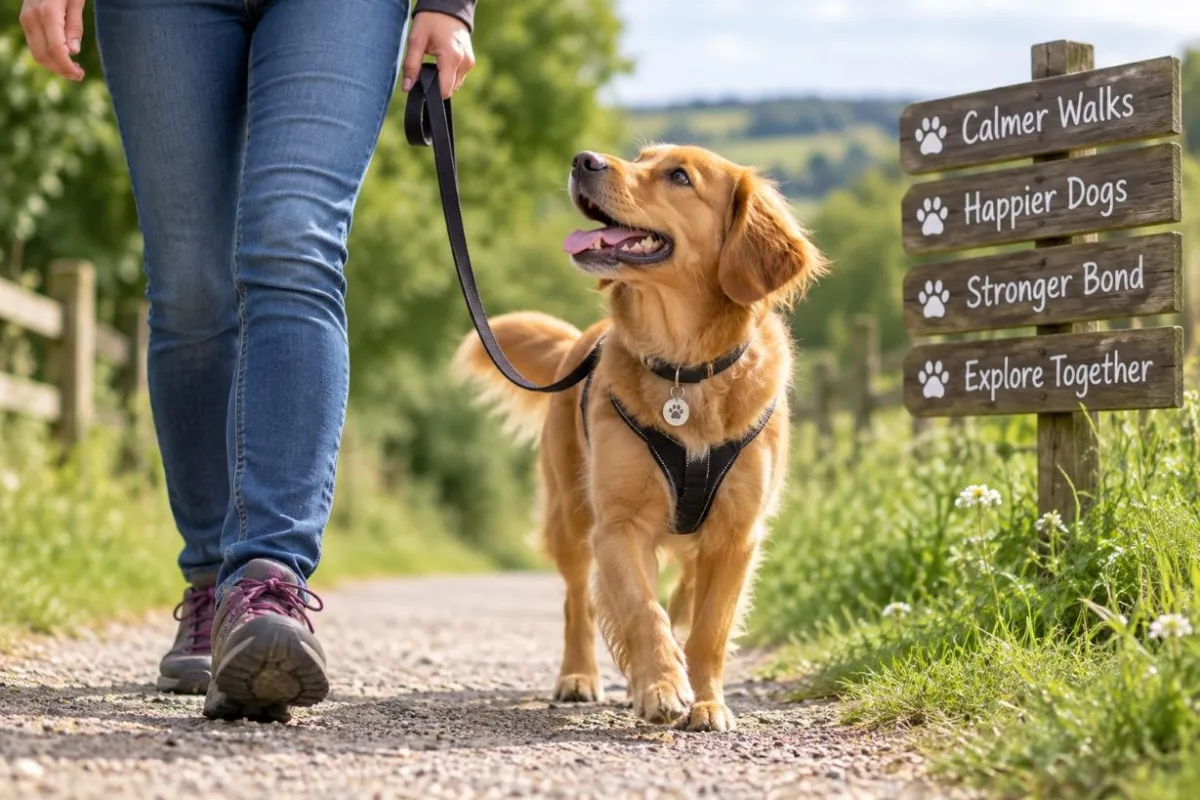
Try to give your dog a good walk before trick-or-treating starts.
Exercise and plenty of opportunities to sniff can help your dog feel more settled later in the day. It also means you won't necessarily need to take them outside during the busiest part of the evening.
However, don't assume that simply tiring a nervous dog out will eliminate anxiety. Exercise is useful, but it isn't a substitute for creating an environment where your dog feels secure.
Provide a Distraction
Giving your dog something enjoyable to do can help shift their attention away from what's happening outside.
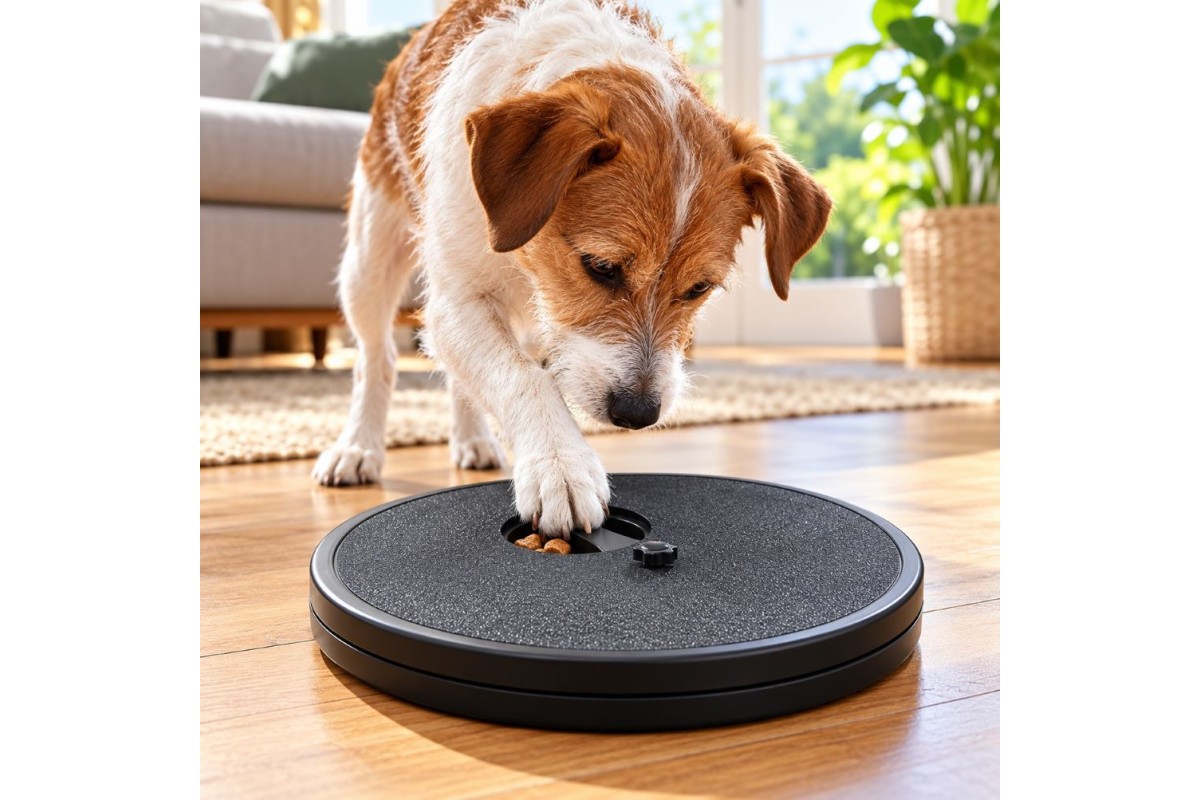
Depending on your dog's preferences, you could provide a favourite toy, food puzzle, lick mat or appropriate long-lasting chew.
You could also close the curtains and play the television, radio or some gentle background sound to reduce the impact of voices and activity outside.
The aim isn't necessarily to completely block out Halloween. Instead, you're creating a calmer environment where outside noises are less noticeable.
Be Careful With Halloween Treats
Halloween means sweets and chocolate – neither of which should be left within your dog's reach.
Chocolate can be extremely toxic to dogs, and some sugar-free sweets and chewing gums contain xylitol, which is extremely dangerous to dogs.
Keep treat bowls, children's Halloween bags and discarded wrappers safely out of reach.
If you want your dog to join in with the celebrations, give them their own dog-safe treats instead.
Don't Force Your Dog to Meet Visitors
If your dog is nervous, Halloween isn't the night to force them to "get used to" strangers.
Allowing dozens of unfamiliar people in costumes to approach a frightened dog can make their anxiety worse.
Let your dog choose where they feel comfortable. If they want to retreat to their bed or safe area, allow them to do so.
Stay calm yourself and reward relaxed behaviour when appropriate.
Prepare Before the First Knock
The most important thing is to plan before trick-or-treaters arrive.
Take your dog for an earlier walk, prepare their safe space, close the curtains, organise some suitable toys or treats and decide who will answer the door.
If your dog experiences severe anxiety, speak to your vet or a qualified behaviour professional before Halloween rather than waiting until the evening itself.
Halloween should be enjoyable, but your dog doesn't need to participate in every part of it. For a nervous dog, a quiet room, a comfortable bed, a favourite toy and an evening away from the front door might be the perfect Halloween celebration.