
Why does my dog eat grass
Salad Days: Why Does My Dog Eat Grass?
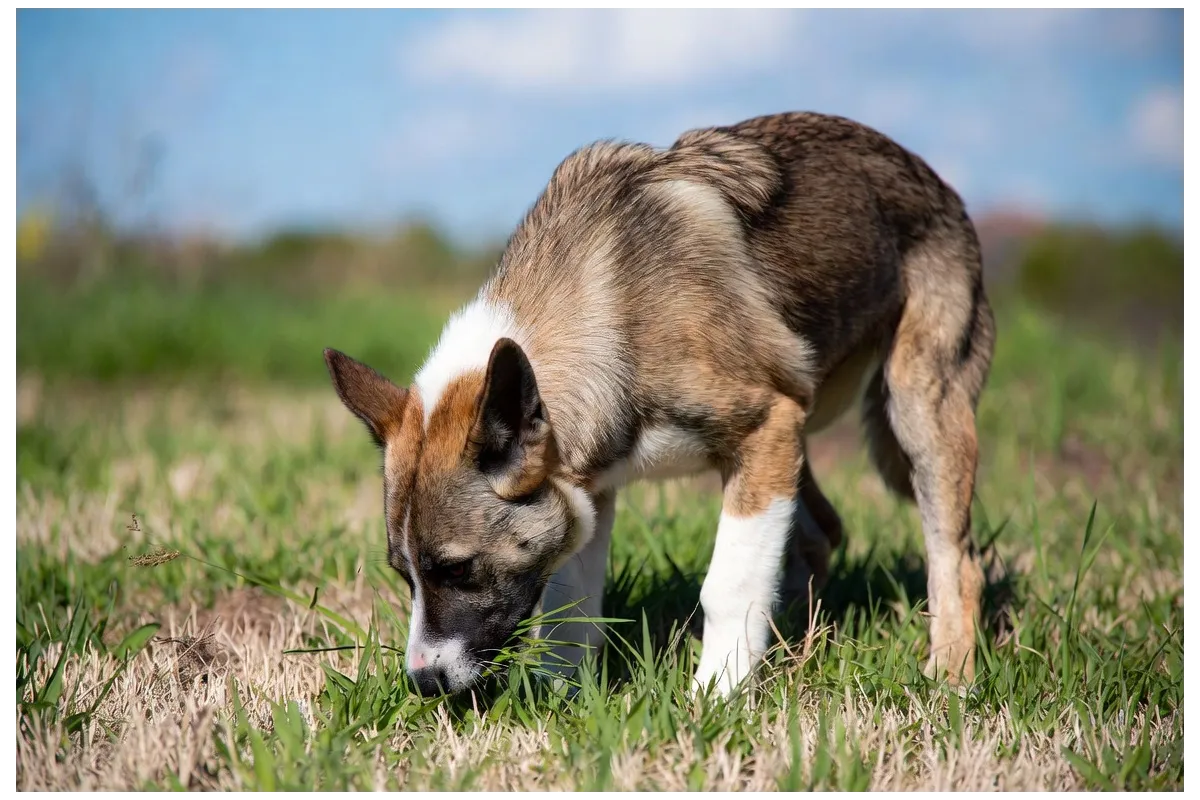
Have you ever been on a lovely walk with your canine companion, only for them to suddenly stop and begin grazing on the nearest patch of grass with the focused intensity of a culinary critic? If so, you are not alone. This common yet perplexing behavior often leaves dog owners scratching their heads, wondering if their beloved pooch has secretly transformed into a vegetarian. While the sight of a dog eating grass can be alarming, especially if it leads to vomiting, it is generally considered a normal canine behavior. But understanding why your dog engages in this "yard-to-table" habit is key to discerning whether it's a harmless quirk or a sign of an underlying issue.
Here are the most common reasons why dogs eat grass:
1. It's Instinctive, Maybe Even a Palate Cleanser
The most widely accepted theory is that eating grass is a deeply rooted instinct inherited from their wild canine ancestors. Wolves and wild dogs don't eat the entire carcass of their prey; they often consume the stomach contents, which include partially digested plant matter. Modern dogs, despite being domesticated, retain this dietary instinct, and grass may satisfy a natural craving for greens.
Think of it as the doggy equivalent of a salad or perhaps even a breath freshener. Many dogs genuinely seem to enjoy the taste and texture of certain types of grass (especially the sweet, green blades). Some owners even joke that their dogs have a favorite "brand" of lawn!
2. Digestive Distress (The "Self-Medication" Myth)
This is the most prevalent reason owners assume their dog eats grass, but the reality is more nuanced. For decades, the conventional wisdom was that dogs eat grass to induce vomiting when they have an upset stomach. The coarse blades of grass irritate the stomach lining, causing the dog to vomit up the offending meal or foreign object.
While this does happen, research suggests it’s far less common than previously thought. A study by the University of California, Davis, found that less than 25% of dogs showed signs of illness before eating grass, and less than 10% vomited after consuming it. So, while your dog might occasionally use grass to purge their stomach, it is not the primary motivation for the behavior.
3. Dietary Deficiencies
Another common belief is that dogs eat grass because their diet is lacking in certain nutrients, specifically fiber. If your dog isn't getting enough roughage in their commercial dog food, they might turn to grass as a natural source of fiber to aid digestion.
If you suspect this might be the case, it’s worth evaluating their diet. Ensure you are feeding a high-quality, balanced dog food. You can also try supplementing their diet with small amounts of dog-safe, high-fiber vegetables like cooked carrots, green beans, or pumpkin. Always consult with your veterinarian before making significant changes to your dog's diet.
4. Boredom, Stress, or Behavioral Issues
Dogs are complex creatures, and sometimes their actions are simply a way to cope with their emotions. Eating grass can become a displacement behavior—an action a dog performs when they are stressed, anxious, or simply bored. If your dog doesn't receive enough physical exercise or mental stimulation, they might develop obsessive-compulsive habits, and grass-eating could be one of them.
If you notice your dog grazing excessively, especially in conjunction with other repetitive behaviors like licking their paws, spinning, or pacing, it's important to consider their mental state. Ensure they are getting adequate playtime, walks, and puzzle toys to keep their minds and bodies engaged.
When Should You Be Concerned?
While eating grass is generally harmless, there are times when it warrants a trip to the veterinarian:
-
Excessive Consumption: If your dog is eating grass constantly and obsessively, it could indicate a medical problem like gastrointestinal disease (e.g., inflammatory bowel disease) or a behavioral issue.
-
Vomiting and Diarrhea: If grass eating is followed by persistent vomiting, diarrhea, lethargy, or a loss of appetite, it's time to call the vet.
-
Risk of Poisoning: The biggest danger associated with eating grass is not the grass itself, but what is on the grass. Herbicides, pesticides, and fertilizers used on lawns can be highly toxic to dogs. If you suspect your dog has ingested treated grass, seek veterinary attention immediately.
-
Ingesting Foreign Objects: Some dogs don't just eat grass; they ingest large clumps of soil, rocks, or sticks, which can cause intestinal blockages (a life-threatening emergency).
Conclusion
In most cases, your dog eating grass is a normal, albeit peculiar, behavior. It's an expression of their wild heritage, a potential dietary supplement, or simply a way for them to enjoy a change of pace. As long as it's not excessive, doesn't result in illness, and is done on safe (untreated) grass, there is no cause for alarm.
However, observing why your dog eats grass can provide valuable insights into their overall health and well-being. If the habit seems excessive or coincides with other concerning symptoms, a check-up with your veterinarian is always the safest course of action. Until then, try not to worry too much about your dog enjoying their very own "salad bar."

You may also like