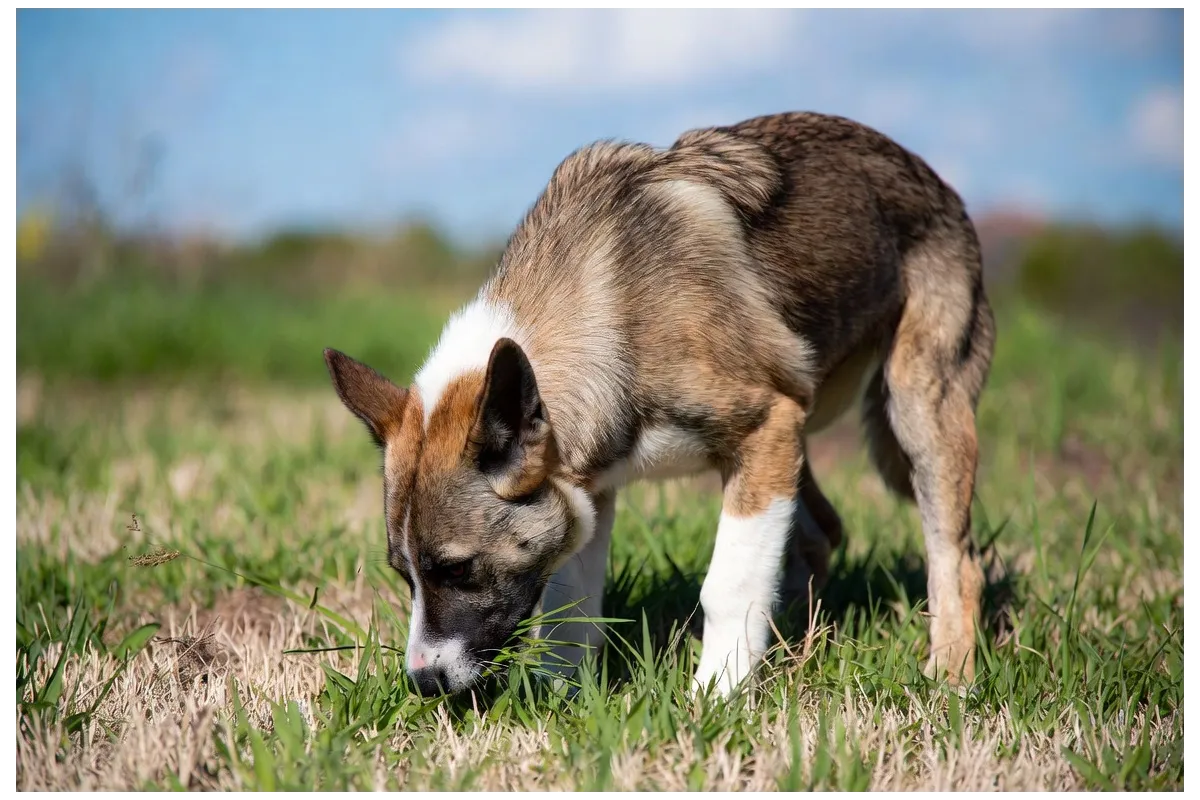

Common skin allergies in dogs
Common dog skin allergies fall into three main categories. Skin allergies are among the most frequent reasons dogs see veterinarians for itching and skin problems.
1. Atopic Dermatitis (Environmental Allergies)
This is frequently listed as the most common type of skin allergy in dogs.
- **Causes**: Reaction to airborne or environmental allergens such as pollen, grass, dust mites, mold spores, and sometimes dander.
- **Pattern**: Often seasonal (worse in spring/summer for pollen) but can be year-round if dust mites or indoor allergens are involved.
- **Prevalence**: Affects an estimated 10–15% of dogs and is a lifelong condition.
### 2. Flea Allergy Dermatitis (FAD)
Hypersensitivity to flea saliva. Even a single flea bite can trigger severe itching in allergic dogs.
- **Key point**: Strict year-round flea prevention is essential, even if you rarely see fleas on the dog.
- Some sources rank this as the overall most common allergy trigger in dogs.
### 3. Food Allergies
True immune-mediated reactions to ingredients in the diet (most often proteins such as beef, chicken, dairy, or less commonly grains).
- Usually develop after the dog has been eating the ingredient for some time.
- Can cause skin symptoms alone or combined with gastrointestinal signs (vomiting, diarrhea, or soft stools).
- Less common than environmental or flea allergies as a pure cause of skin disease.
**Contact allergies** (reactions to materials, plants, chemicals, or grooming products) exist but are relatively uncommon.
### Typical Signs
- Intense itching and scratching
- Licking or chewing at paws
- Red, inflamed, or scaly skin
- Hair loss or thinning coat
- “Hot spots” (moist, inflamed patches)
- Recurrent ear infections
- Secondary bacterial or yeast infections (common because the skin barrier is damaged)
### Important Notes
Allergies are usually managed rather than cured. Diagnosis typically involves ruling out parasites, infections, and other causes, sometimes followed by elimination diet trials or allergy testing. Treatments can include rigorous flea control, medicated shampoos, anti-itch medications (such as Apoquel or Cytopoint), steroids in some cases, and allergen-specific immunotherapy.
This is general information only. A veterinarian should evaluate any dog with persistent itching or skin problems, as other conditions (infections, parasites, hormonal issues, etc.) can look similar.

You may also like