The freedom of a long line
The Freedom of the Long Line: Why Every Dog Owner Needs One
If you’ve ever watched your dog stare longingly at a distant squirrel while tethered to a standard six-foot leash, you know the struggle. We want our dogs to explore, sniff, and run, but we also want to keep them safe. For many dogs—especially those with a high prey drive, a penchant for "selective hearing," or those still mastering their recall—the dream of off-leash freedom feels out of reach.
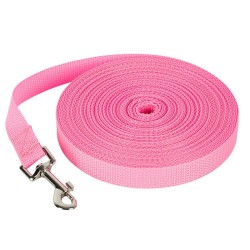
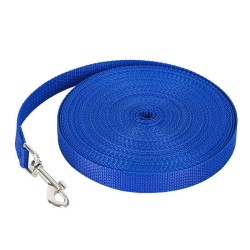
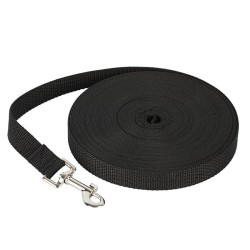
Enter the long line: a training tool that sits perfectly between the restriction of a city leash and the vulnerability of being off-leash. Usually ranging from 10 to 50 feet, a long line is more than just a long piece of rope; it is a bridge to better communication and a more fulfilled dog.
The Power of the "Sniffari"
Dogs experience the world through their noses. On a standard leash, a dog is often forced to match a human’s pace, which is significantly slower than their natural gait. This leads to pulling and frustration.
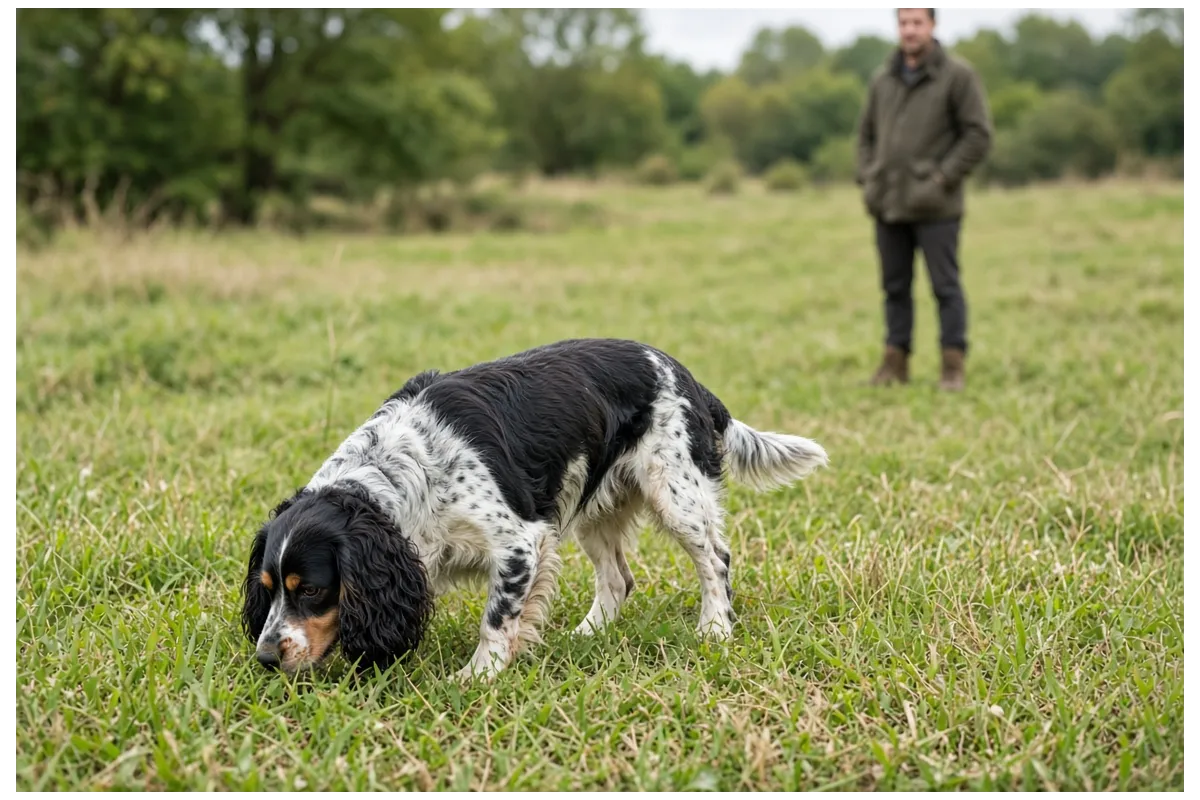
Using a long line allows you to take your dog on a "sniffari." By giving them 20 or 30 feet of space, they can zigzag between patches of grass, linger over a particularly interesting scent, and move at a trot. This mental stimulation is often more exhausting—and satisfying—than a three-mile power walk on a short lead. It allows for "decompression," lowering their cortisol levels and helping them relax.
The Ultimate Safety Net for Training
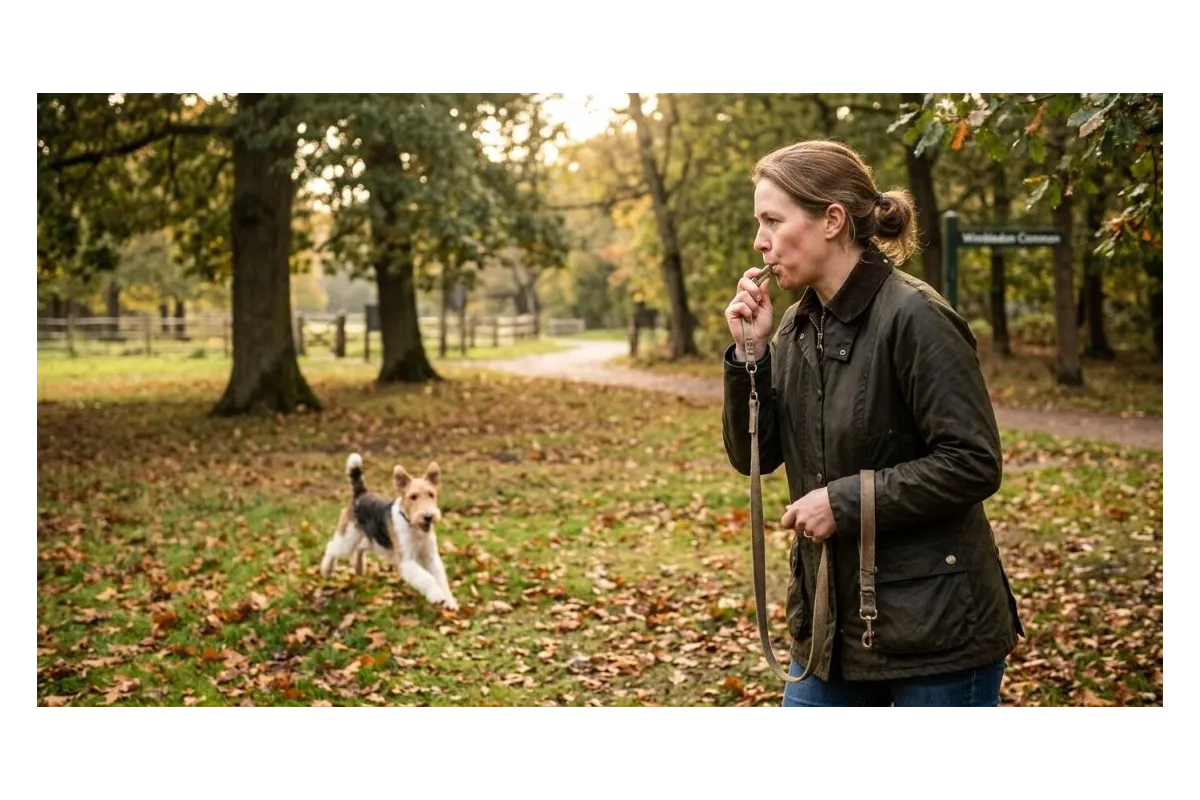
The most common use for a long line is practicing recall (the "come" command). It provides the illusion of freedom while allowing you to maintain a physical connection. If your dog gets distracted by a passing cyclist or a stray ball, the long line prevents them from rehearsing the "rewarding" behavior of running away.
It’s also an essential tool for "check-in" training. When your dog is 15 feet away and chooses to stop what they are doing to look back at you, they are choosing to engage. Rewarding these moments on a long line builds a powerful habit of focus that eventually transfers to off-leash reliability.
Safety First: The Golden Rules
While long lines are transformative, they come with a learning curve. To keep you and your dog safe, follow these three rules:
-
Harness Only, Never a Collar: This is the most important rule. If a dog builds up speed and hits the end of a 30-foot line while wearing a neck collar, the result can be severe whiplash or tracheal damage. Always attach a long line to the back clip of a sturdy harness.
-
Manage Your "Lasso": Do not wrap the line around your hand or fingers. If your dog bolts, a wrapped line can cause friction burns or even broken bones. Instead, learn to "accordion" the leash—gathering and releasing loops as your dog moves closer or further away.
-
Choose Your Material Wisely: Traditional cotton or nylon lines are affordable, but they become heavy when wet and are magnets for burrs and mud. Most professional trainers recommend Biothane. It’s a waterproof, rubberized webbing that is easy to wipe clean, doesn't tangle as easily, and won't give you "leash burn."
Where to Use It
The long line isn't for a walk down a busy city sidewalk where it can trip up pedestrians or get tangled in bike tires. It’s designed for open spaces: quiet parks, hiking trails, beaches, or open fields. It’s about giving your dog the space to be a dog while you remain the anchor of their safety.
Conclusion
A long line is one of the most selfless gifts you can give your dog. It grants them the autonomy to explore their environment and the safety to learn at their own pace. By adding a long line to your gear bag, you aren’t just taking a walk; you’re giving your dog a taste of freedom and a much-needed breath of fresh air.
So, grab a harness, find an open field, and let out some line. Your dog’s wagging tail will tell you everything you need to know.

Related products