
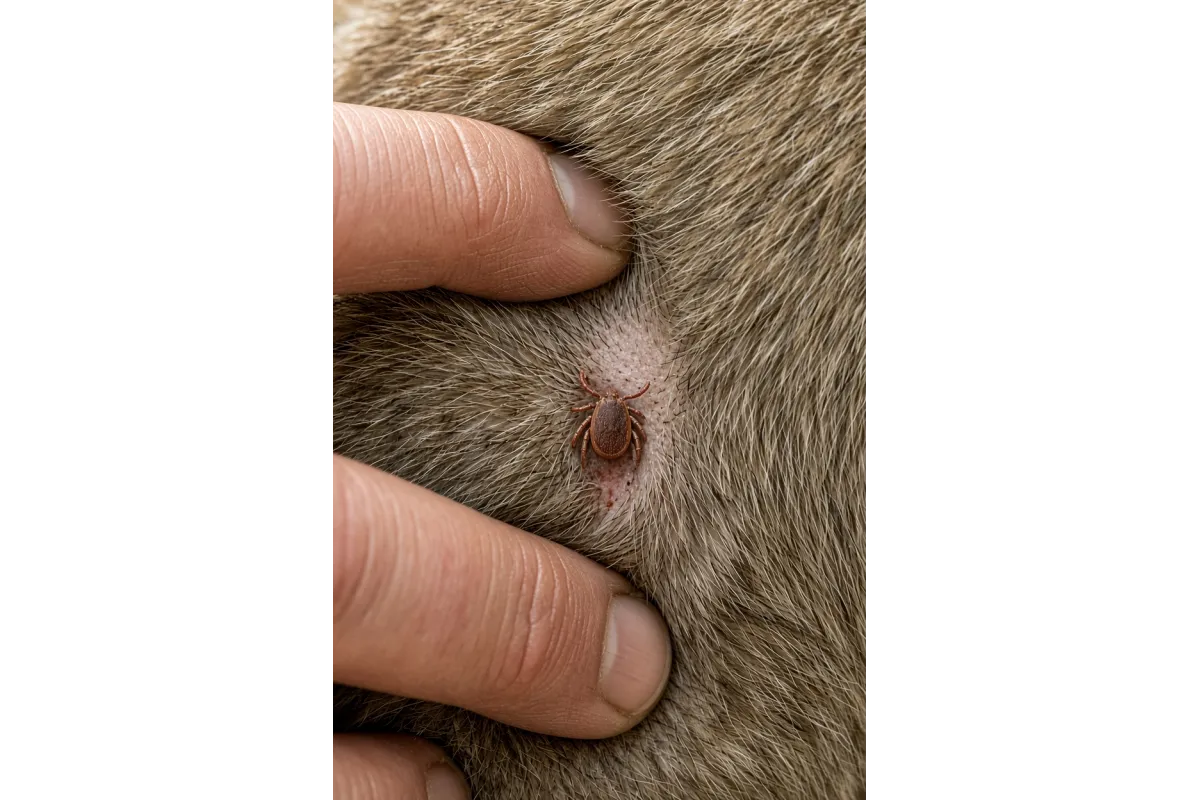
Dealing with ticks
Ticks are among the most persistent pests that dog owners face. Beyond the initial discomfort of a bite, these parasites are notorious for carrying various illnesses that can compromise a pet's health. Understanding how to identify, safely remove, and prevent these stowaways is a vital part of maintaining a healthy dog.
The first step in tick management is a thorough inspection. Ticks do not jump or fly; instead, they wait in tall grass or leaf litter for a host to pass by. Once they climb onto a dog, they migrate toward warm, thin-skinned areas. After every walk in wooded or grassy areas, perform a "tick check." Run your hands firmly over your dog’s coat, feeling for small, hard bumps. Pay special attention to the "hidden" spots: inside the ears, under the collar, between the toes, and around the tail and groin.
If you discover an embedded tick, removal should be done immediately but carefully. Using a tick remover / twister is the most effective method. Grasp the tick as close to the skin as possible with the tick remover, aiming for the head rather than the body. Pull upward and twist with steady, even pressure. It is important to avoid jerking, as this can cause the mouthparts to break off and remain in the skin, which may lead to a localized infection. Avoid common myths such as using a hot match or coating the tick in nail polish; these methods can actually increase the risk of infection by causing the tick to release fluids into the bite wound.
Once the tick is removed, clean the bite area and your hands with Leucillin. It is helpful to keep the tick in a sealed container or a small plastic bag for a few weeks. If the dog begins to show symptoms like lethargy, fever, loss of appetite, or sudden lameness, having the specimen can help a professional determine exactly what your dog might have been exposed to.
Prevention is always better than treatment. Maintaining a short lawn and clearing away brush piles reduces the tick population in your immediate environment. Furthermore, various preventative treatments—ranging from monthly oral chews to topical applications and collars—can provide a strong layer of protection. By combining regular physical checks with consistent preventative care, you can ensure your dog stays safe and comfortable throughout the year.

Related products

You may also like