Adder Alert, keeping your dog safe
Adder Alert: Keeping Your Dog Safe from the UK’s Venomous Snake
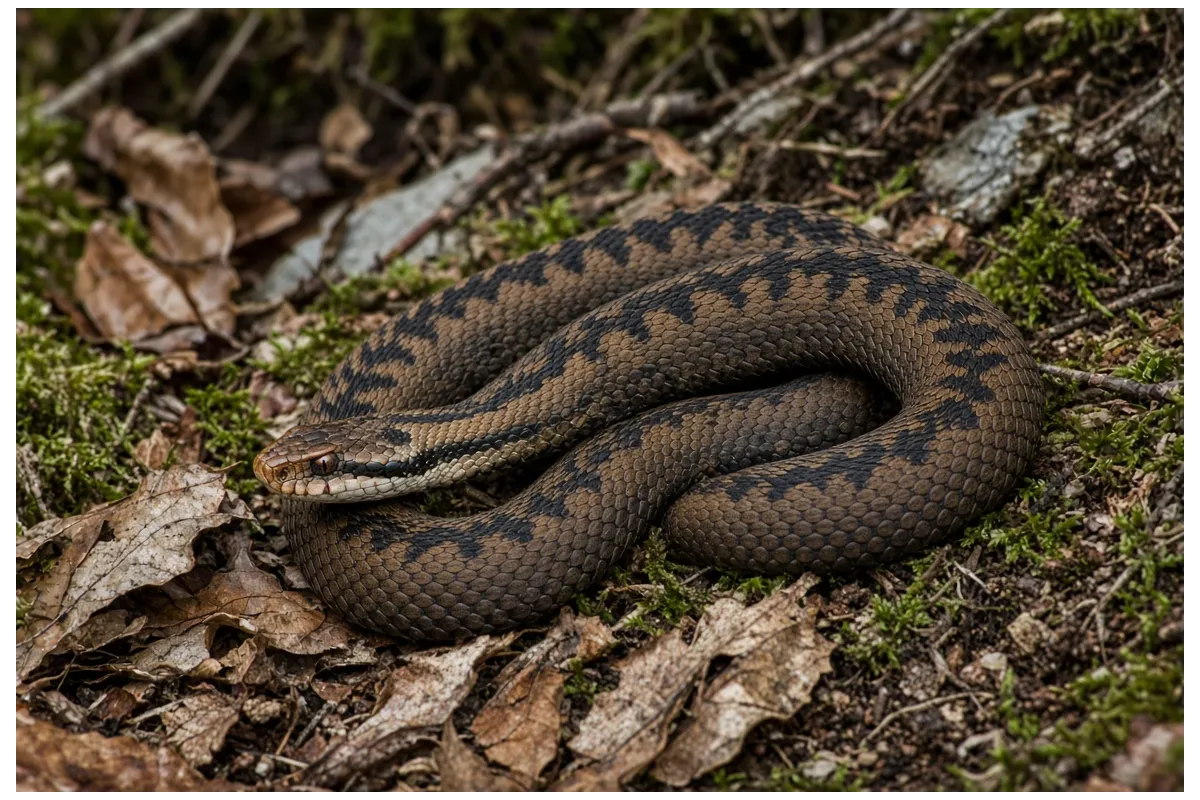
For dog owners in the UK, spring and summer bring the joys of long walks through blooming heathlands, coastal paths, and woodlands. However, as the weather warms up, a shy but dangerous resident emerges from hibernation: the UK Adder (.
While adders are generally reclusive and prefer to flee rather than fight, curious dogs often stumble upon them. For an inquisitive spaniel or a bounding terrier, an encounter with an adder can quickly turn into a life-threatening emergency.
Understanding the risks, knowing how to spot a bite, and acting quickly are essential skills for any responsible dog owner.
Meet the Threat: The UK Adder
The adder is Britain’s only venomous snake. Despite this intimidating title, they are not aggressive and bites are relatively rare. They are protected by law under the Wildlife and Countryside Act 1981, making it illegal to kill, injure, or harm them.
How to identify an adder:
-
Appearance: They are relatively short and thick-bodied.
-
Markings: The most distinct feature is a dark, zig-zag pattern running along their back, usually against a grey or brownish background.
-
V-Mark: Look for a distinctive 'V' or 'X' shape on the back of their head.
-
Habitat: They prefer rough, open ground where they can bask in the sun to regulate their body temperature. Look out for them on heathlands, moors, coastal dunes, and sunny woodland edges.
The Risk Period: Adders are most active from spring through to late summer. They hibernate during the winter, emerging in the first warm days of spring (March/April) to mate. This coincides perfectly with the time we most want to get outside with our dogs.
Why Are Dogs at High Risk?
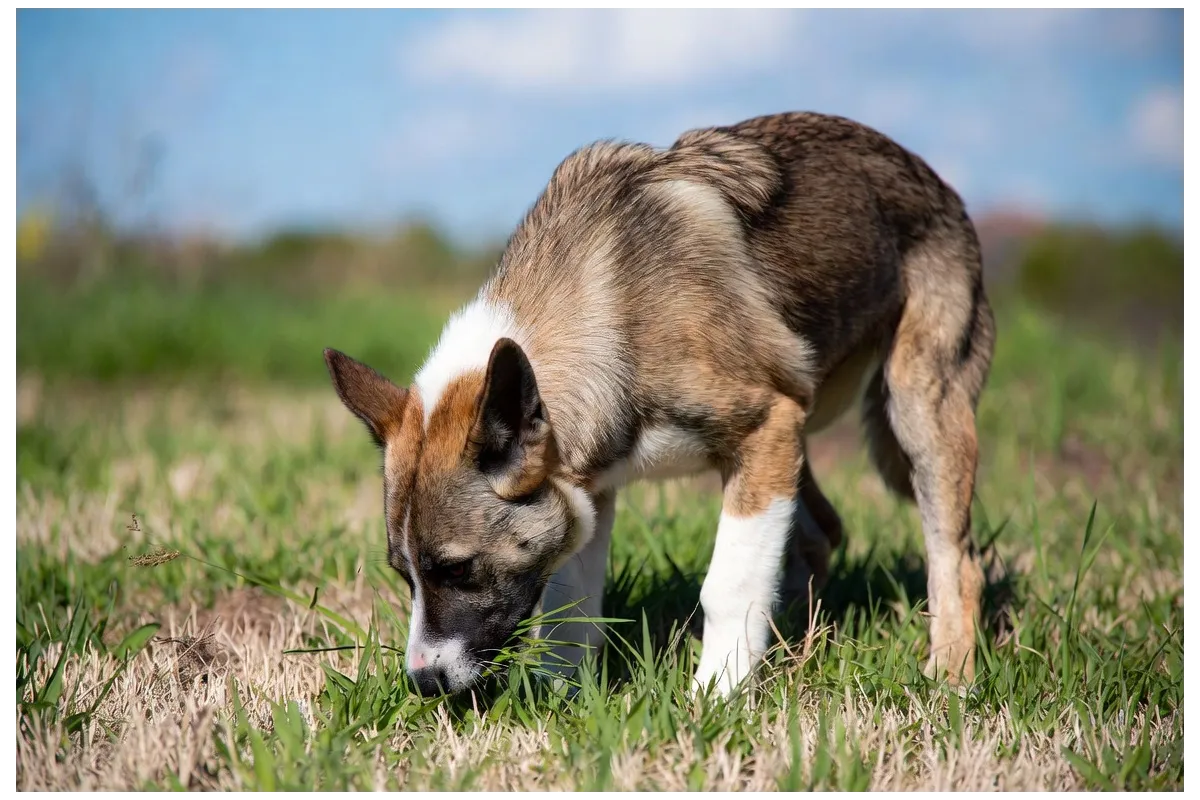
Unlike humans, who usually see the snake and retreat, dogs investigate with their noses and mouths.
An adder’s instinct is to freeze and rely on camouflage. If a dog steps on the snake or nudges it with its nose, the snake feels cornered and strikes in defense. Because dogs are often sniffing close to the ground, the vast majority of bites occur on the face, muzzle, or legs.
When a dog is bitten, the adder delivers venom through its hollow fangs. This venom is complex, designed to break down tissue and immobilize small prey. While a single bite may not contain enough venom to kill a large, healthy human instantly, the effects on a dog—especially a smaller breed—can be devastating.
Symptoms of an Adder Bite
The severity of the reaction depends on several factors: how much venom was injected, where the dog was bitten, and the dog’s size and general health.
Symptoms usually develop rapidly, appearing within 30 minutes to two hours:
-
Initial Distress: The dog may yelp or cry out suddenly.
-
Swelling: This is the most common sign. The area around the bite will swell significantly and rapidly. A bite on the muzzle can cause the whole face to swell, potentially interfering with breathing.
-
Puncture Wounds: If you look closely at the center of the swelling, you may be able to see two tiny, distinct puncture marks.
-
Pain and Lameness: If bitten on a leg, the dog will be in severe pain and hold the limb up.
-
Systemic Shock: As the venom enters the bloodstream, the dog may become lethargic, begin vomiting, have diarrhea, drool excessively, and struggle to walk. Their gums may turn pale, and their heart rate may race.
Left untreated, an adder bite can lead to internal bleeding, organ failure, and death.
What to Do If Your Dog Is Bitten
An adder bite is a veterinary emergency. If you suspect your dog has been bitten, do not wait for symptoms to appear.
-
Stay Calm and Act Fast: Panicking will raise your dog’s heart rate, speeding up the spread of venom.
-
Keep Your Dog Still: Carry your dog if possible to prevent them from walking or running. If you must walk them, keep them on a very short lead and move slowly.
-
Do Not Try First Aid: Do not try to suck out the venom, apply a tourniquet, cut the wound, or apply ice. These methods are ineffective and can cause further injury or infection.
-
Head to the Vet IMMEDIATELY: Call the nearest veterinary practice to let them know you are on your way with a suspected adder bite. This allows them to prepare antivenom and other emergency treatments.
Treatment and Recovery
At the veterinary clinic, the primary goal is to manage symptoms and treat shock.
Treatment usually involves strong pain relief, intravenous fluids to support blood pressure and protect the kidneys, and antihistamines. In severe cases, the vet will administer antivenom. This is a very effective treatment that neutralizes the venom, but it is expensive and carries a small risk of causing an allergic reaction itself.
With prompt veterinary care, the prognosis is generally good. The vast majority of dogs survive an adder bite. However, recovery can take several weeks. The swelling can be severe, leading to tissue death (necrosis) around the bite site, which may require ongoing wound management.
Even after the acute phase, internal damage to organs like the liver and kidneys can sometimes manifest later, requiring follow-up blood tests.
Prevention: How to Stay Safe
Prevention is always better than cure. You do not need to avoid adder habitats entirely, but you should be vigilant during the peak season (April to August).
-
Be "Snakes Aware": Know the types of habitats adders prefer and keep a closer eye on your dog when walking in these areas.
-
Stick to Paths: Keep your dog on established paths where they are less likely to disturb a basking snake hidden in long grass or heather.
-
Recall Training: If your dog is prone to dashing off into the undergrowth, ensure their recall is rock solid. If you cannot control where they are sniffing, keep them on a lead in high-risk areas.
-
Watch the Noise: A dog crashing through heather gives snakes warning, usually giving them time to slither away unseen.
Conclusion
The UK adder is a beautiful and important part of our native wildlife, but it demands respect. By being informed and vigilant, you and your dog can continue to enjoy the beautiful British countryside safely throughout the spring and summer.

You may also like