How to Use an Interactive Dog Lick Feeder with Rolling Ball – Slow Feeder for Dogs & Cats
How to Use an Interactive Dog Lick Feeder with Rolling Ball – Slow Feeder for Dogs & Cats
Keeping your dog or cat mentally stimulated is an important part of their overall wellbeing. While walks, exercise and playtime are essential, providing opportunities for natural behaviours such as licking, sniffing and exploring can make everyday life more enjoyable.
The Interactive Dog Lick Feeder with Rolling Ball Slow Feeder for Dogs & Cats is a fun enrichment accessory designed to make feeding and treat time more interesting.
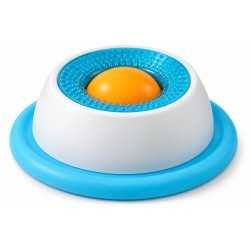
Featuring a colourful blue textured feeding ring, a central orange rolling ball and a sturdy bowl-shaped design, this interactive feeder encourages pets to investigate their food rather than simply eating it straight from a traditional bowl.
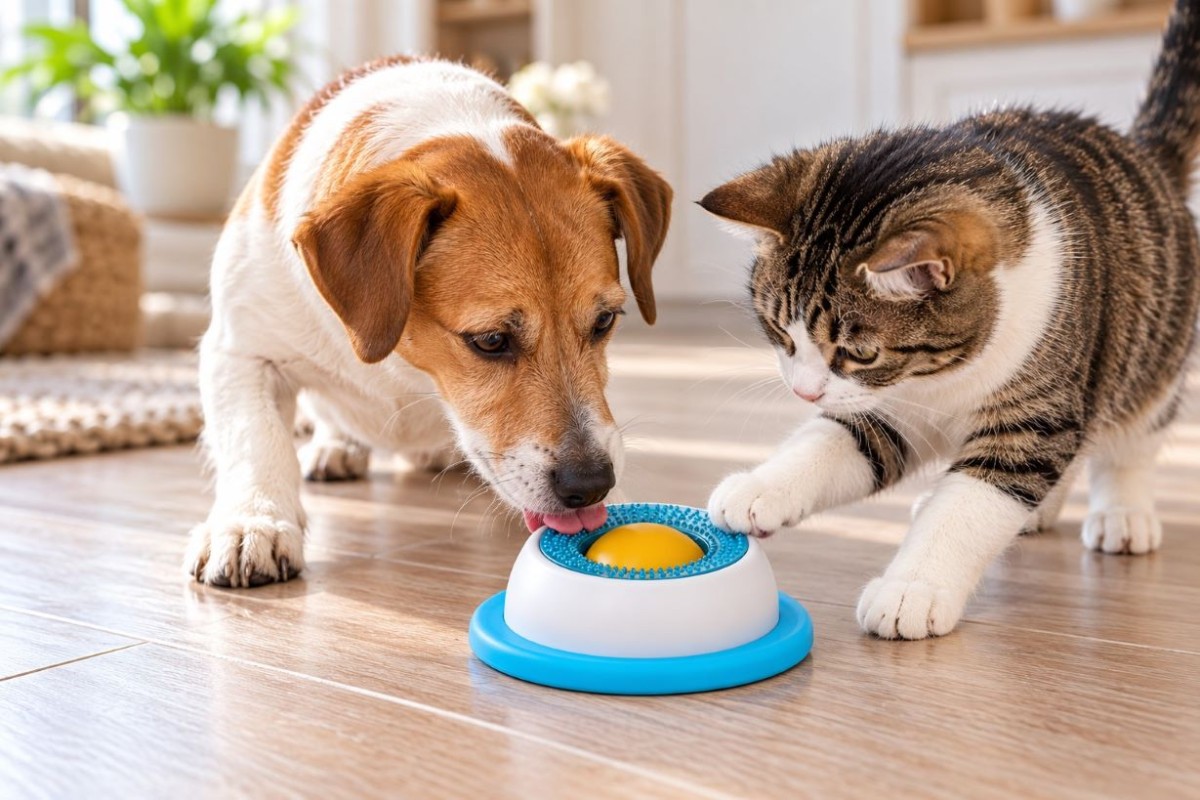
Whether you have an energetic puppy, an inquisitive adult dog or a curious cat, this feeder can provide an engaging activity that helps turn ordinary treats into something more rewarding.
What Is an Interactive Rolling Ball Lick Feeder?
An interactive rolling ball lick feeder is designed to encourage pets to work for their food through licking and exploration.
This particular feeder features a blue textured feeding area surrounding a central orange ball.
The raised textures provide different surfaces for your pet to lick, while the central ball adds another interactive element.
By spreading a small amount of suitable soft food onto the accessible feeding surfaces, you can encourage your pet to spend longer enjoying their reward.
Unlike traditional food bowls, which allow pets to eat quickly, a lick feeder encourages a more gradual and focused feeding experience.
Step 1: Introduce Your Pet to the Feeder
Before adding food, place the feeder on the floor and allow your dog or cat to investigate it.
Let them sniff the blue textured ring and explore the orange central ball.
Some pets will immediately show interest, while others may need a little encouragement.
For nervous or cautious animals, place the feeder in a quiet area away from distractions.
You can encourage curiosity by placing a tiny amount of their favourite pet-safe food on the feeding surface.
Never force your pet to interact with a new enrichment toy.
Allow them to explore at their own pace.
Step 2: Choose Suitable Foods
One of the advantages of a lick feeder is that you can experiment with different pet-safe soft foods.
Some suitable options include:
Wet dog food: Use a small portion of your dog's usual wet food.
Wet cat food: Ideal for cats that enjoy licking soft foods.
Dog-safe peanut butter: Choose a variety without xylitol or other harmful ingredients.
Plain natural yoghurt: Suitable in small quantities for dogs that tolerate dairy, provided it contains no harmful sweeteners.
Smooth pumpkin purée: Plain, unsweetened pumpkin can provide an interesting flavour for dogs.
Pet-specific lickable treats: Convenient options formulated for dogs or cats.
Always choose foods suitable for your individual pet.
Remember that dogs and cats have different nutritional requirements, so not every food suitable for a dog will be appropriate for a cat.
Avoid foods containing chocolate, grapes, raisins, onions, garlic or xylitol.
Top tip: Using a portion of your pet's normal daily food allowance is a great way to provide enrichment without adding unnecessary calories.
Step 3: Prepare the Blue Textured Feeding Ring
The bright blue textured ring provides an interesting surface for your pet to explore.
Using a spoon or suitable utensil, spread a thin layer of pet-safe soft food across the textured area.
Try gently pressing the food into some of the raised patterns so your pet needs to lick around the different surfaces.
You don't need to completely cover the ring.
A small amount of food is often enough to create an enjoyable enrichment activity.
For beginners, start with an easy-to-reach area so your pet quickly understands how the feeder works.
Step 4: Introduce the Orange Rolling Ball
The orange central ball is another feature of this interactive feeder.
Once your pet is comfortable licking the textured ring, encourage them to investigate the ball.
If your particular model allows the ball to rotate, your pet may discover that licking or nudging it creates movement.
You can apply a small amount of suitable food to the ball if the manufacturer's instructions permit this.
Avoid forcing the ball to move or attempting to remove it unless the product is designed for disassembly.
The aim is to encourage natural curiosity and gentle interaction.
Step 5: Encourage Slow, Enjoyable Feeding
Place the prepared feeder on a flat, stable surface.
Allow your dog or cat to approach and begin licking.
As your pet works around the textured ring and central ball, they can gradually collect the food.
This may help extend feeding time compared with offering the same soft treat directly from a bowl.
For dogs that become excited at mealtimes, start with small portions and keep sessions relaxed.
Cats may prefer to investigate the feeder independently.
Always supervise your pet, particularly during the first few sessions.
Step 6: Make Enrichment Part of Your Daily Routine
Once your pet understands how the feeder works, you can introduce it into their regular routine.
It can be useful for:
Providing a quiet activity during rainy afternoons.
Making occasional treat time more interesting.
Offering part of a dog's usual wet food allowance.
Encouraging cats to explore a different feeding experience.
Adding variety to your pet's collection of enrichment activities.
You can vary the suitable foods used to maintain interest.
However, avoid introducing too many new foods at once, particularly if your pet has a sensitive stomach.
The Benefits of Interactive Lick Feeders
Encourages Mental Stimulation
Interactive feeders provide opportunities for pets to investigate, explore and concentrate.
Working around the different textures can offer a simple but rewarding challenge.
Helps Slow Down Treat Consumption
Rather than swallowing a soft treat immediately, your pet must gradually lick the food from the feeder.
This can help make treat time last longer.
Encourages Natural Licking Behaviour
Licking is a normal behaviour for both dogs and cats.
Providing an appropriate surface for this activity can be an enjoyable form of enrichment.
May Help Promote Relaxation
Some pets find repetitive licking activities calming.
A lick feeder may offer a gentle, focused activity during quiet periods at home.
However, it should not be considered a treatment for anxiety or behavioural problems.
Helps Reduce Boredom
Dogs and cats benefit from variety in their daily activities.
Interactive feeding provides an alternative to traditional bowls and can make familiar foods more interesting.
Can Puppies and Kittens Use This Feeder?
Interactive lick feeders may be suitable for younger pets if the manufacturer's age and size recommendations allow.
Always supervise puppies and kittens closely.
Use small quantities of age-appropriate food and make sure the feeder is too large to be swallowed or carried off and chewed.
If your pet begins biting or aggressively chewing the feeder rather than licking it, remove the toy and try a different enrichment activity.
Cleaning and Safety
Because lick feeders are commonly used with wet or soft foods, regular cleaning is particularly important.
After each session:
Remove any remaining food.
Wash the feeding surfaces according to the manufacturer's cleaning instructions.
Pay particular attention to the textured blue ring, where food residue may collect.
Allow the feeder to dry thoroughly before storing it.
Check the orange ball and surrounding surfaces for signs of damage or loose components.
Never leave wet food in the feeder for extended periods.
Always supervise your pet while using the feeder, and remove it immediately if any part becomes damaged.
Make Treat Time More Interesting with an Interactive Lick Feeder
The Interactive Dog Lick Feeder with Rolling Ball Slow Feeder for Dogs & Cats is a simple way to introduce extra enrichment into your pet's daily routine.
With its colourful blue textured feeding ring, orange central ball and distinctive bowl-shaped design, it provides different surfaces for pets to investigate while enjoying their favourite suitable treats.
Whether you're looking to encourage slower treat consumption, introduce mental stimulation or simply make feeding time more enjoyable, an interactive lick feeder can be a useful addition to your pet's enrichment activities.
Start with small amounts of food, allow your pet to explore naturally and always supervise their feeding sessions.
Turn ordinary treat time into a fun, interactive experience for your dog or cat!